☎ (513) 583-0919
email michael9067@roadrunner.com
domain johnmichaelauthor.org
JOHN MICHAEL
• AUTHOR • PERFORMER • POET
• GHOSTWRITER
The Life Behind the Words
About John Michael
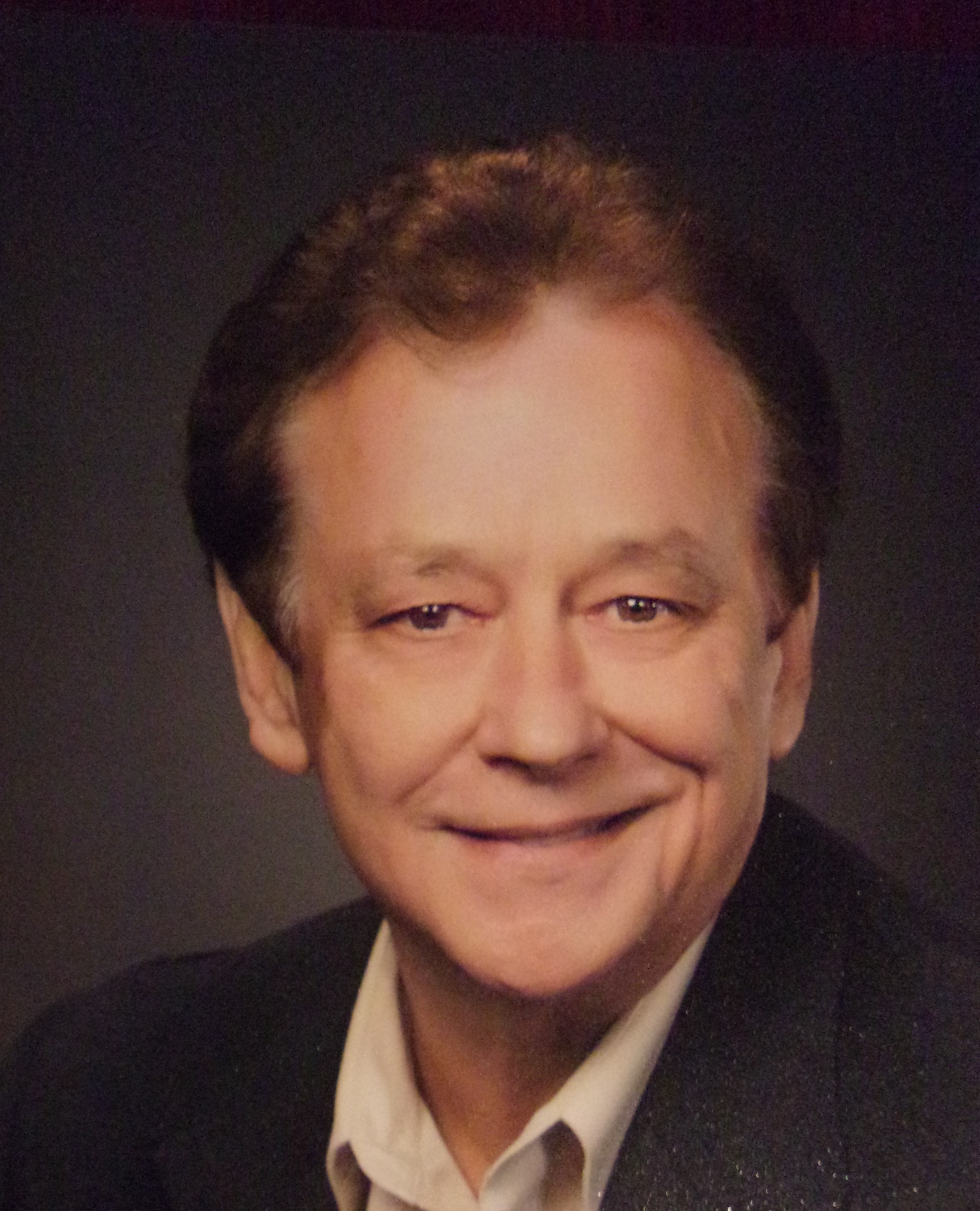
John Michael is one of those rare individuals whose life reads like a great American novel — and he’s lived every chapter.
A professional baseball player for seven years with the Washington Senators (Texas Rangers), John Michael played shortstop and led the league in hits one season. He led all players in all professional systems in fielding percentage and was widely regarded as having the strongest throwing arm in baseball.
Off the field, his impact was equally remarkable. He served as Mayor of Maineville, Ohio for five years and is a proud member of the “Country Club” — an exclusive distinction earned through travel to all fifty states and seventeen countries. He is a Hall of Fame inductee at Little Miami High School and was the first inductee in the town of Maineville’s Hall of Fame.
An accomplished scholar, John Michael studied in London and Oxford and holds degrees from Sue Bennett College and Miami University — along with two self-doctorates.
He has written and copyrighted original songs, plays guitar, and sings. Off the field and out of the office, he stays in shape by running, golfing and is a passionate trivia enthusiast. And if you ever wonder where his competitive spirit comes from — he grew up one of nine boys in a row, no sisters, a household that was its own ball team.
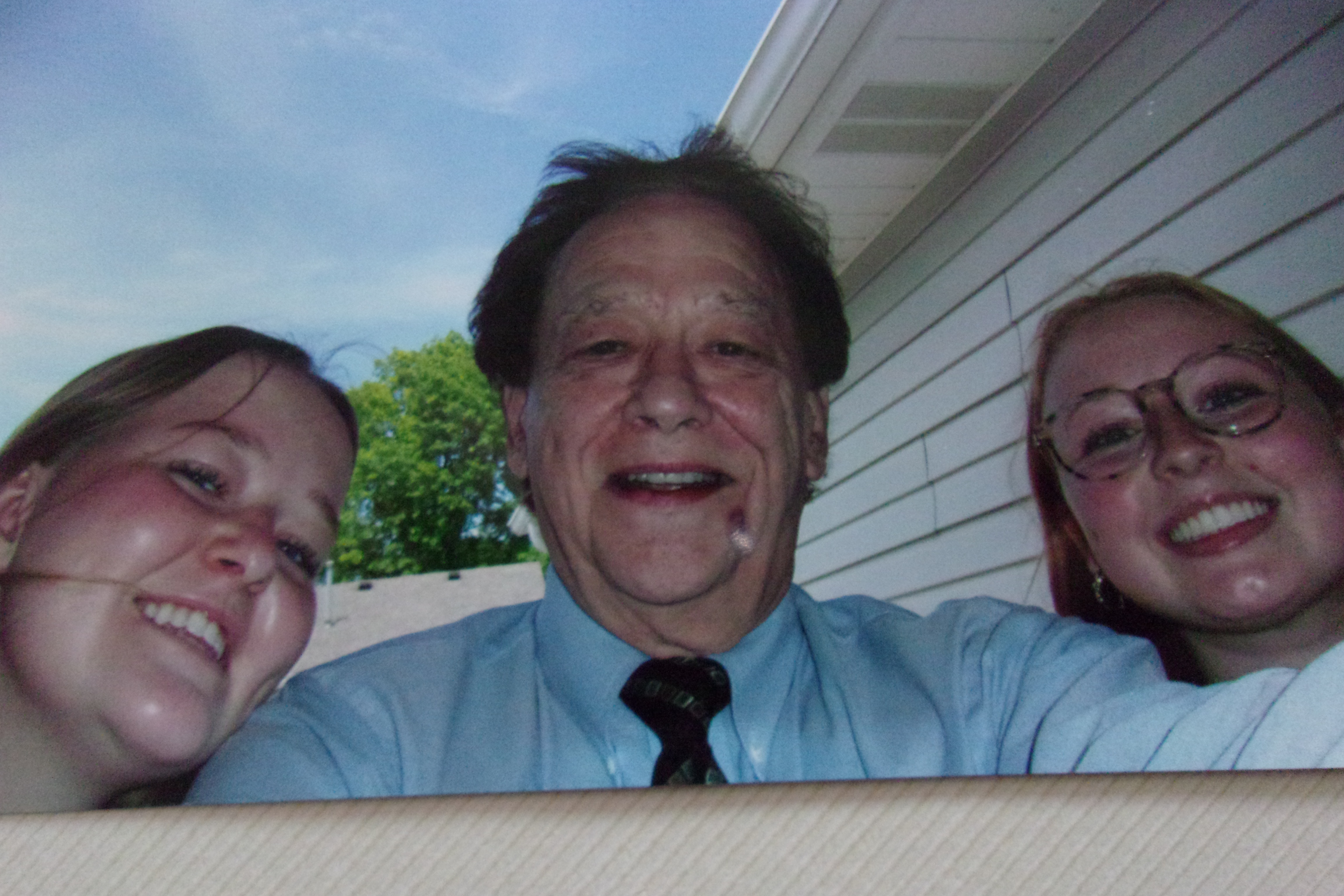
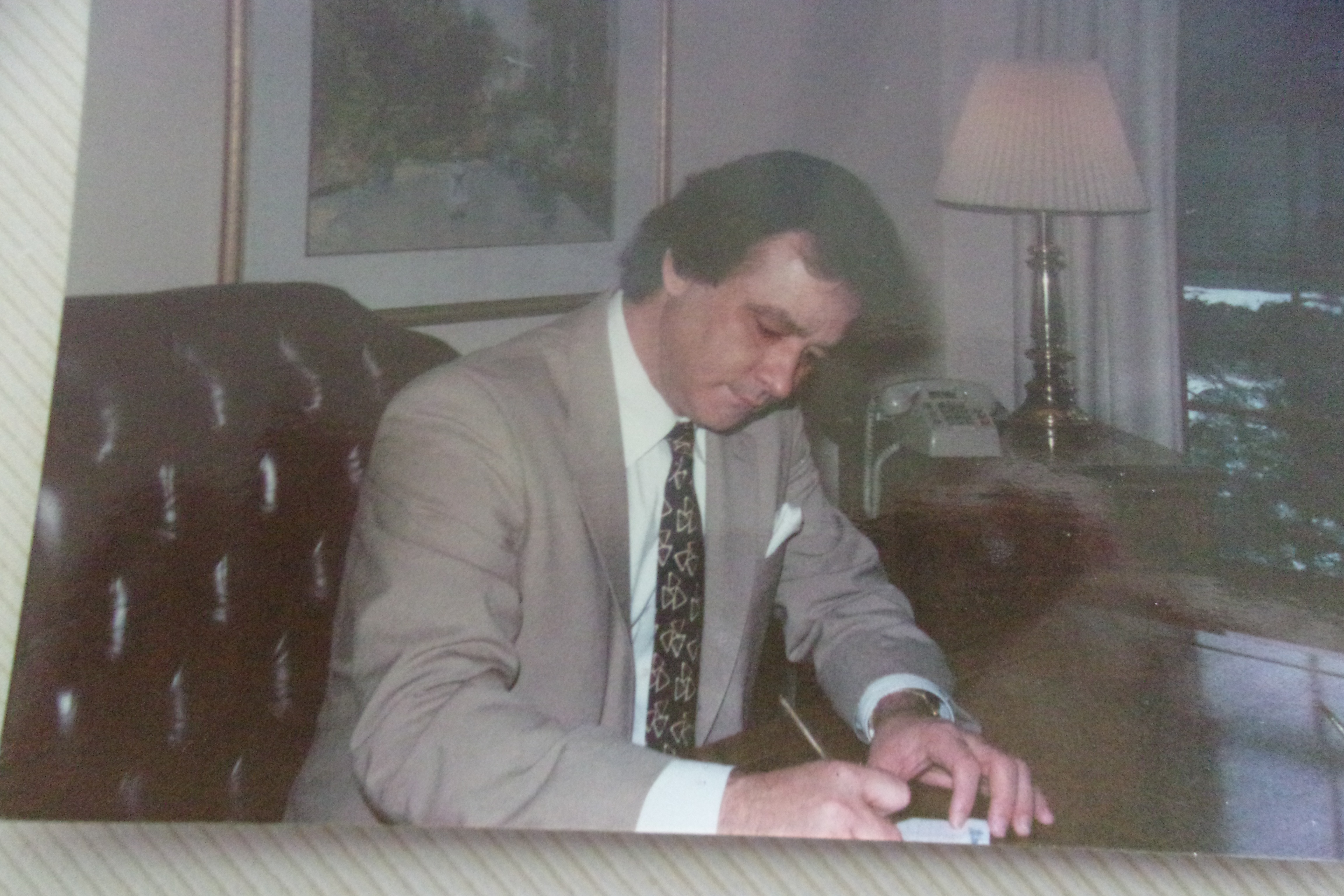
New Friends
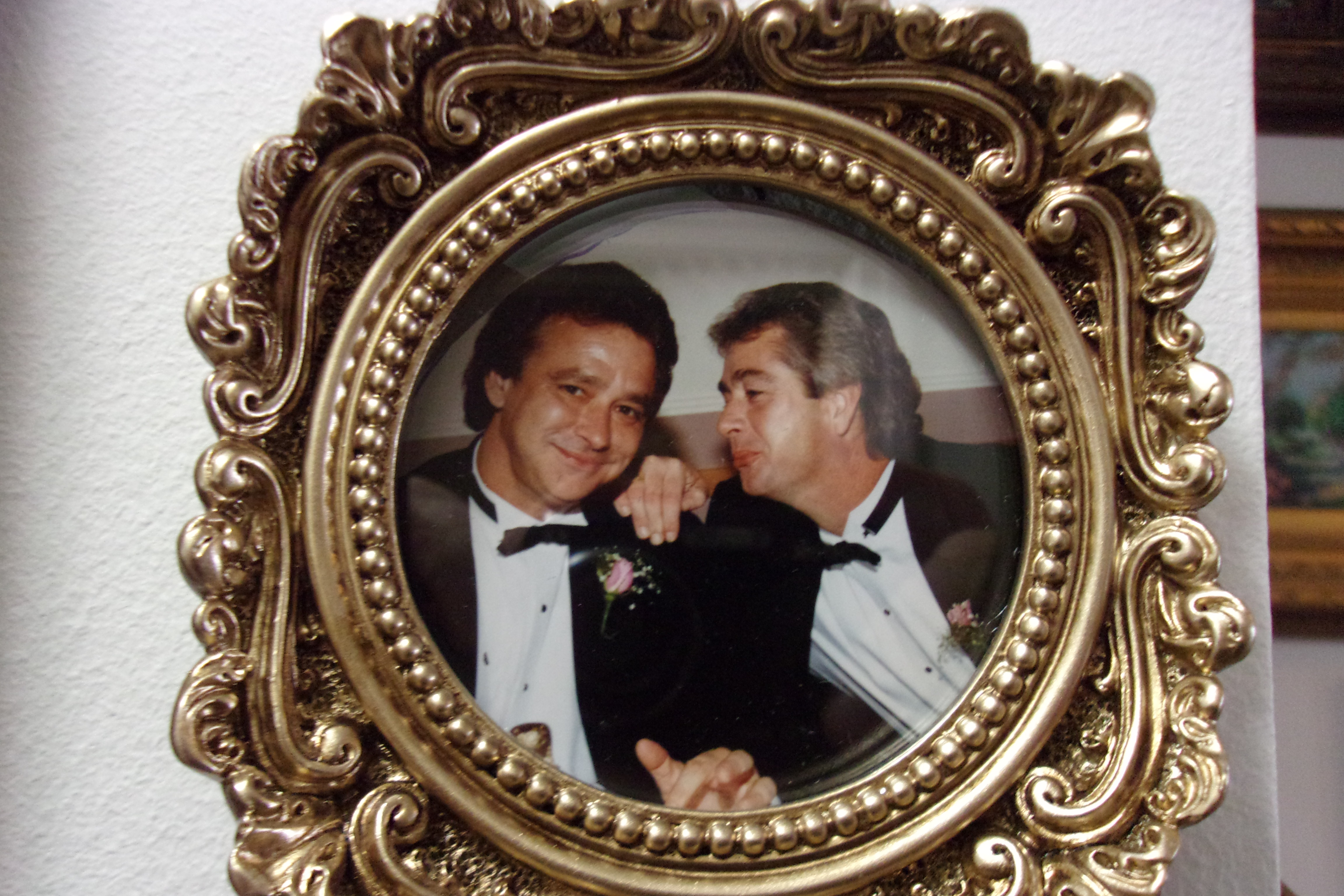
Brother Jerry Showing Love!
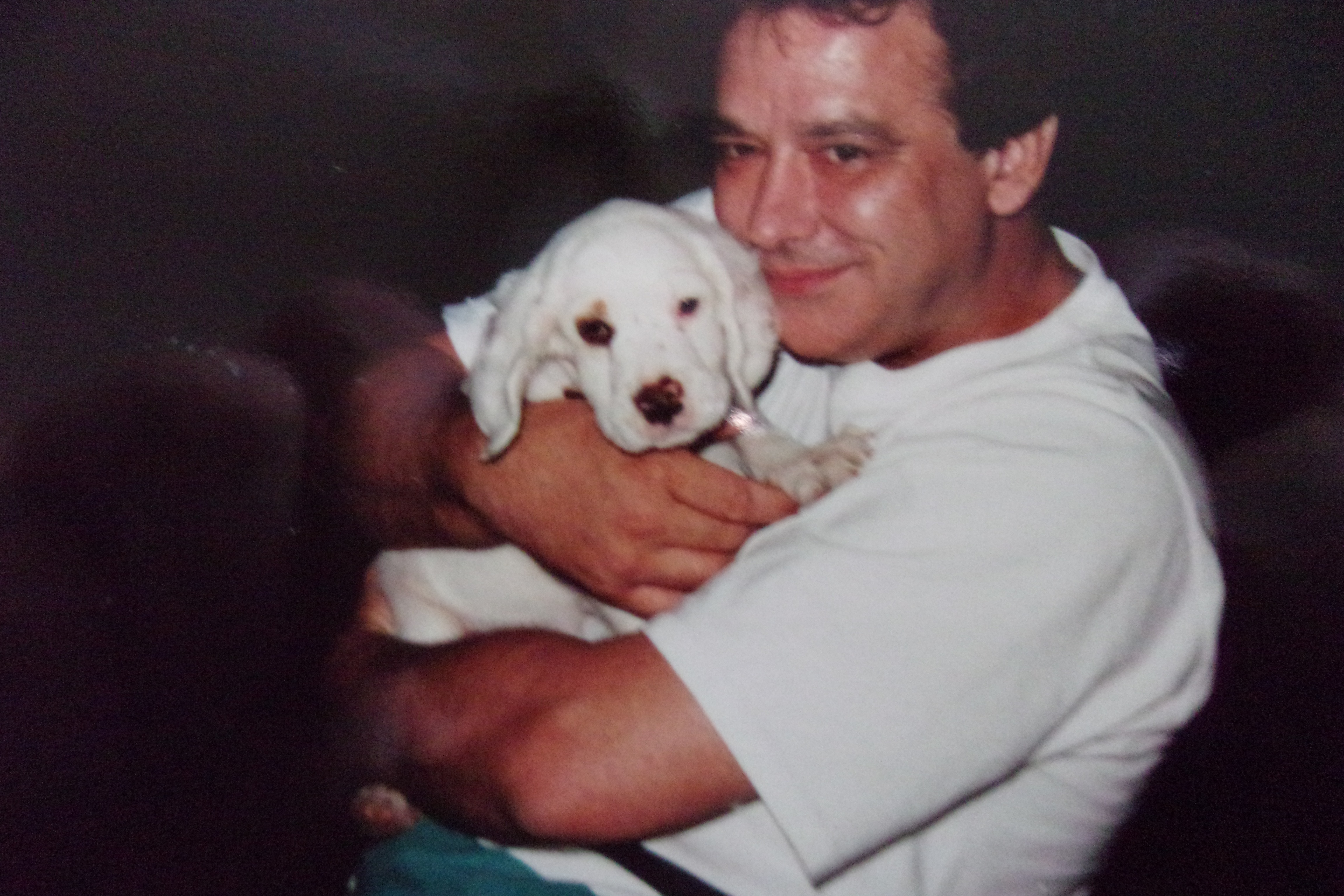
An English Setter puppy and his Dad
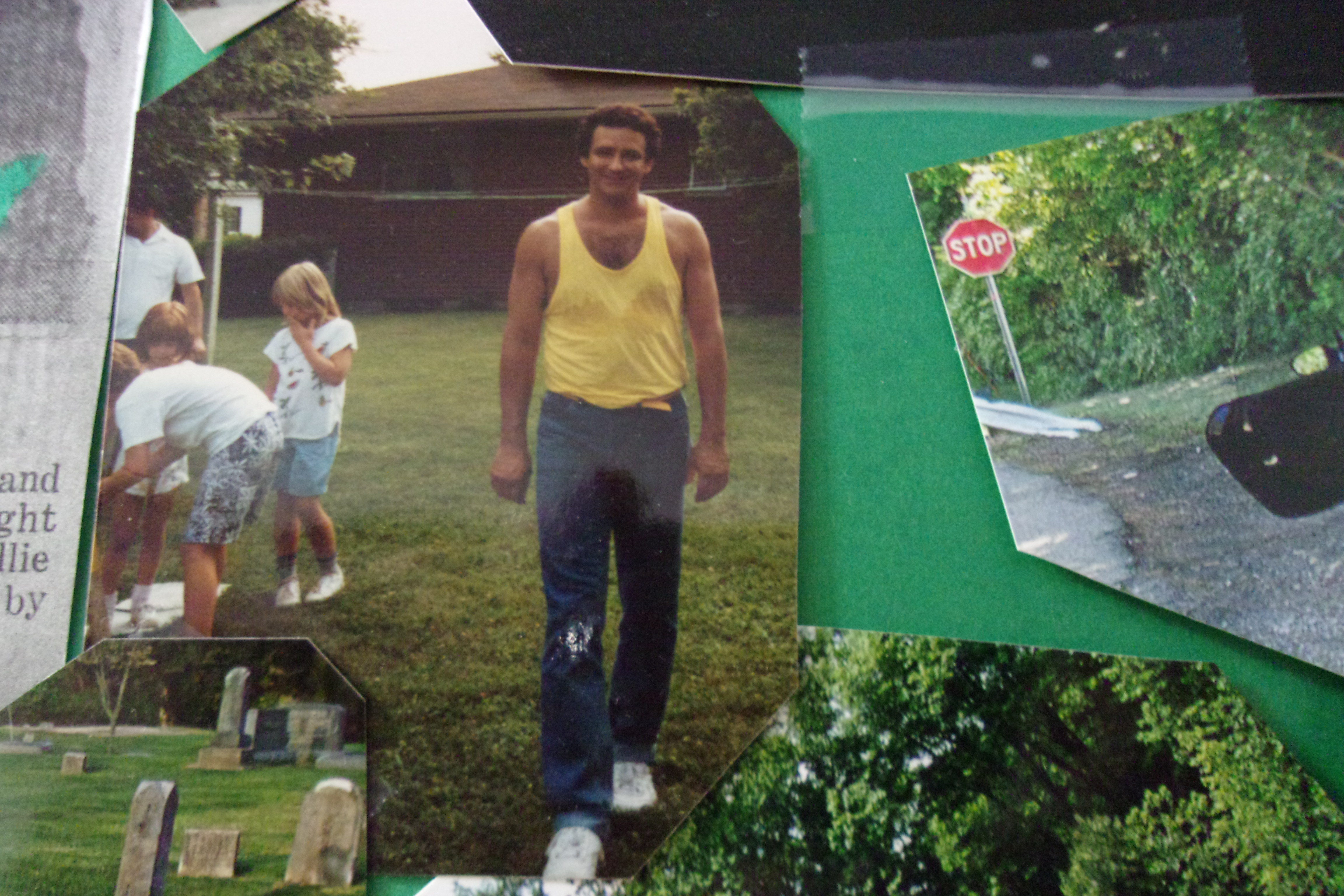
Visiting Family
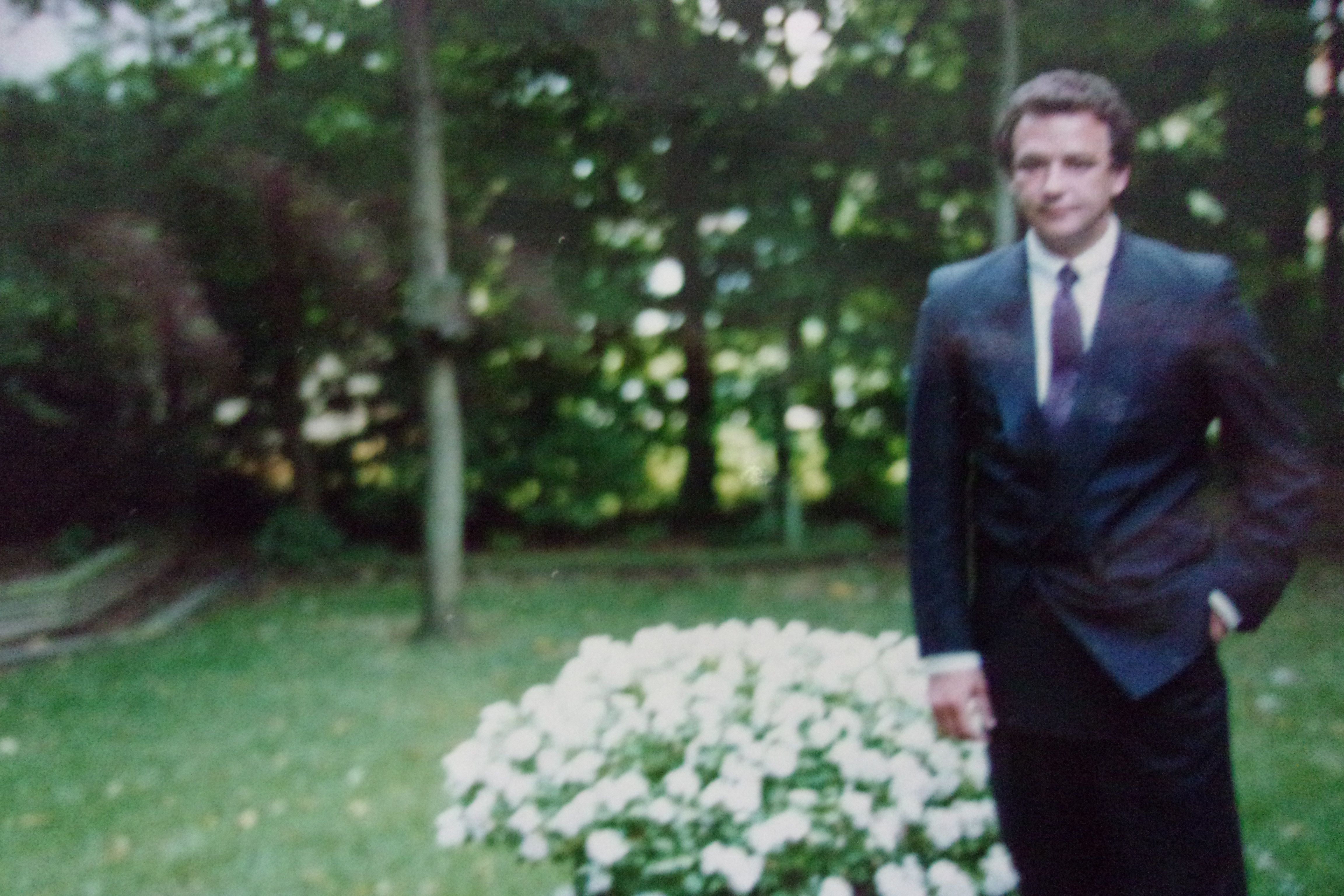
Taking Time To Smell The Flowers
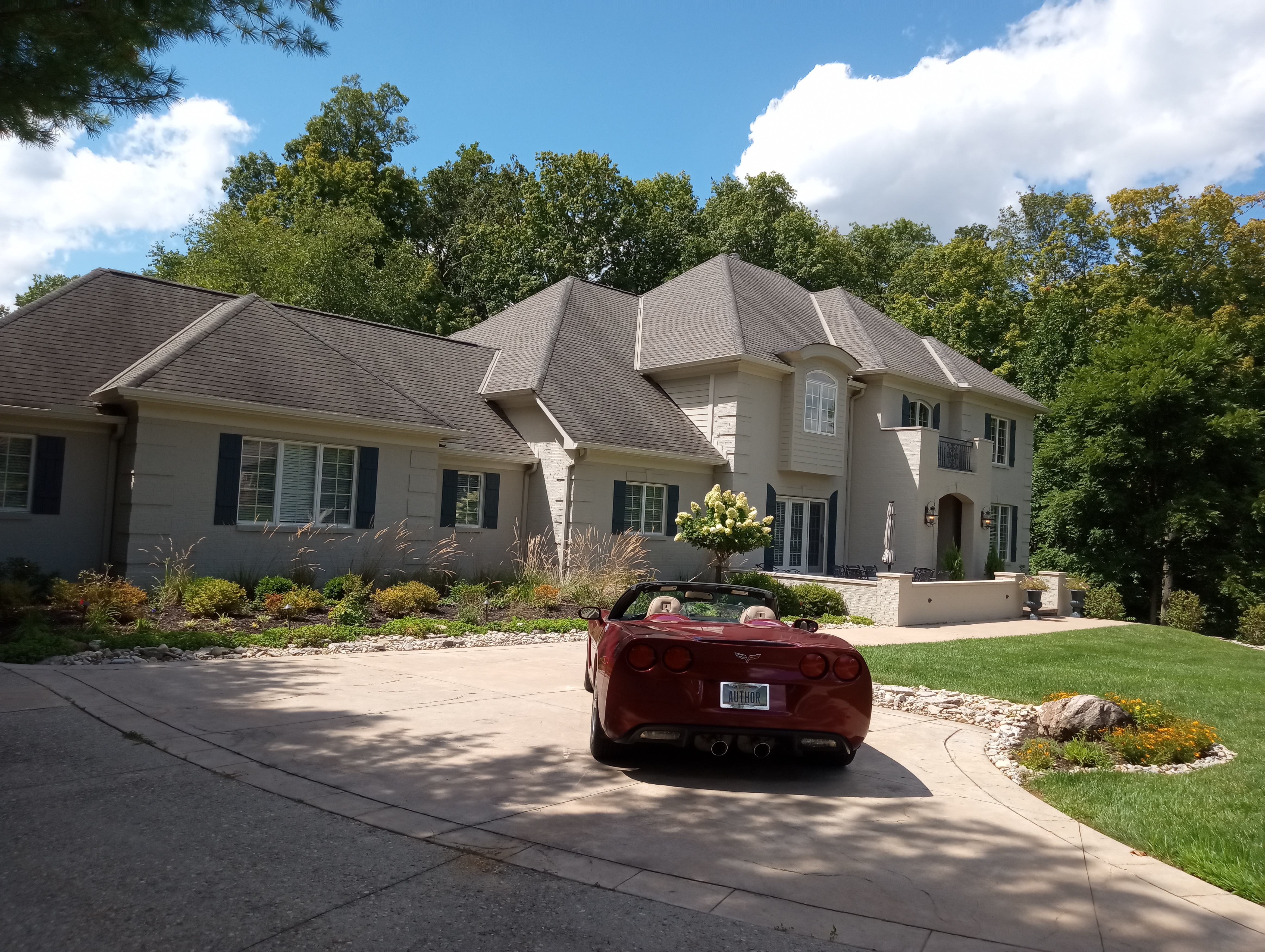
Favorite Car And Mansion In The Neighborhood
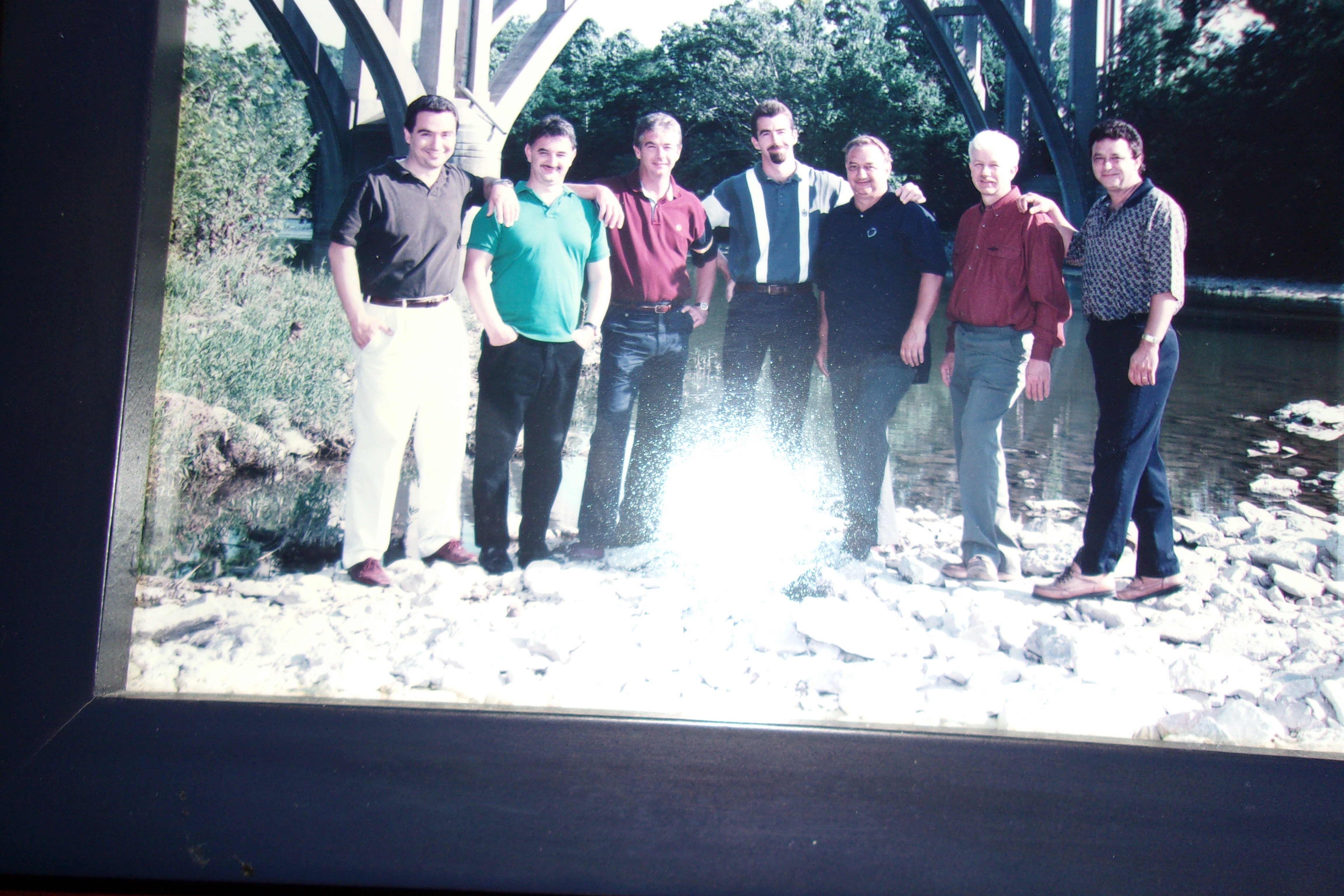
Steve, Dan, Jerry, Larry, Jim, Bob, John Michael
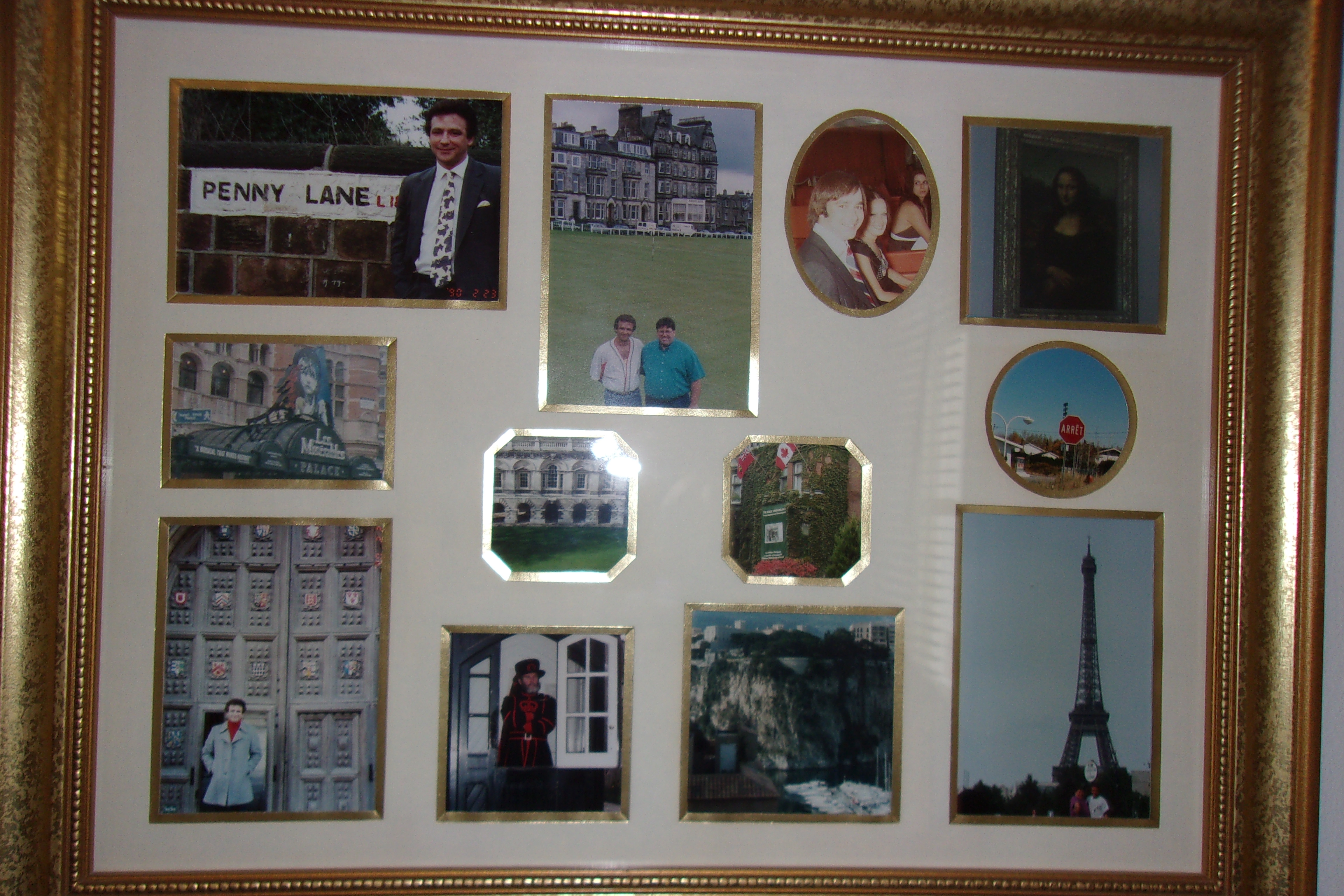
Liverpool, St. Andrews, St. Thomas, The Louvre, London, Oxford, Toronto, Montreal, Stratford Upon Avon, Monaco And Paris
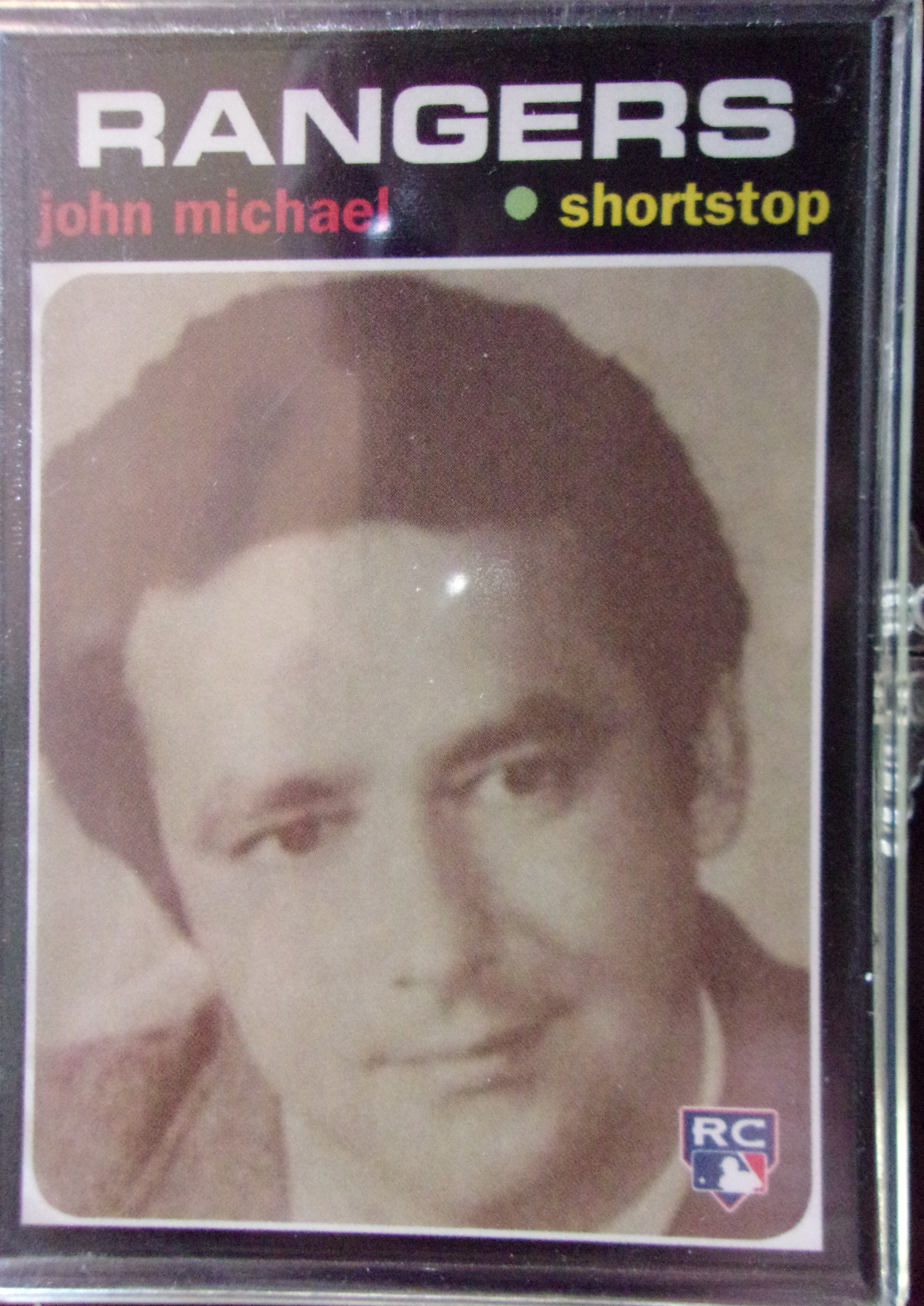
Hard Work. Fun Play.
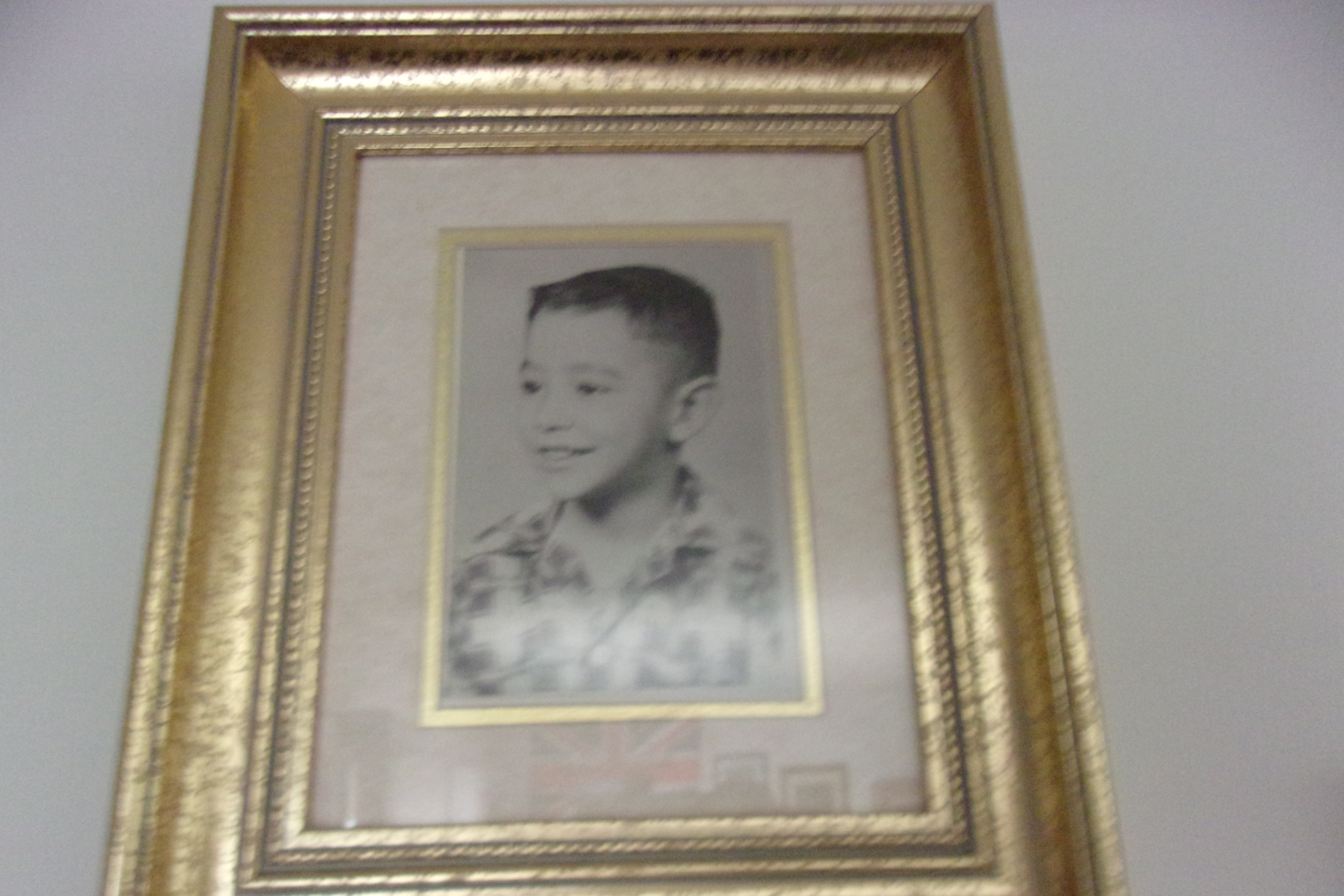
Johnny, What Do You Want To Be When You Grow Up?
(These photographs above, span a lifetime — from childhood to the present day. Many are not recent, and that’s intentional. The next book written by John Michael tells the full story of a life richly lived, from the earliest years forward. Consider this a preview.)
WHAT CRITICS ARE SAYING
“In short… he’ll quickly change the mind of anyone who thinks poetry is for someone else.”
— Dr. Connie Winston
“…features selections to please even the most ardent poetry skeptic.”
— Janet Wetzel, The Cincinnati Enquirer
“The poet Michael delivered a touching performance. His descriptions, his imagery, his personal music; so welcome to the ear.”
— Sylvia Thompson, St. Michaels, Toronto
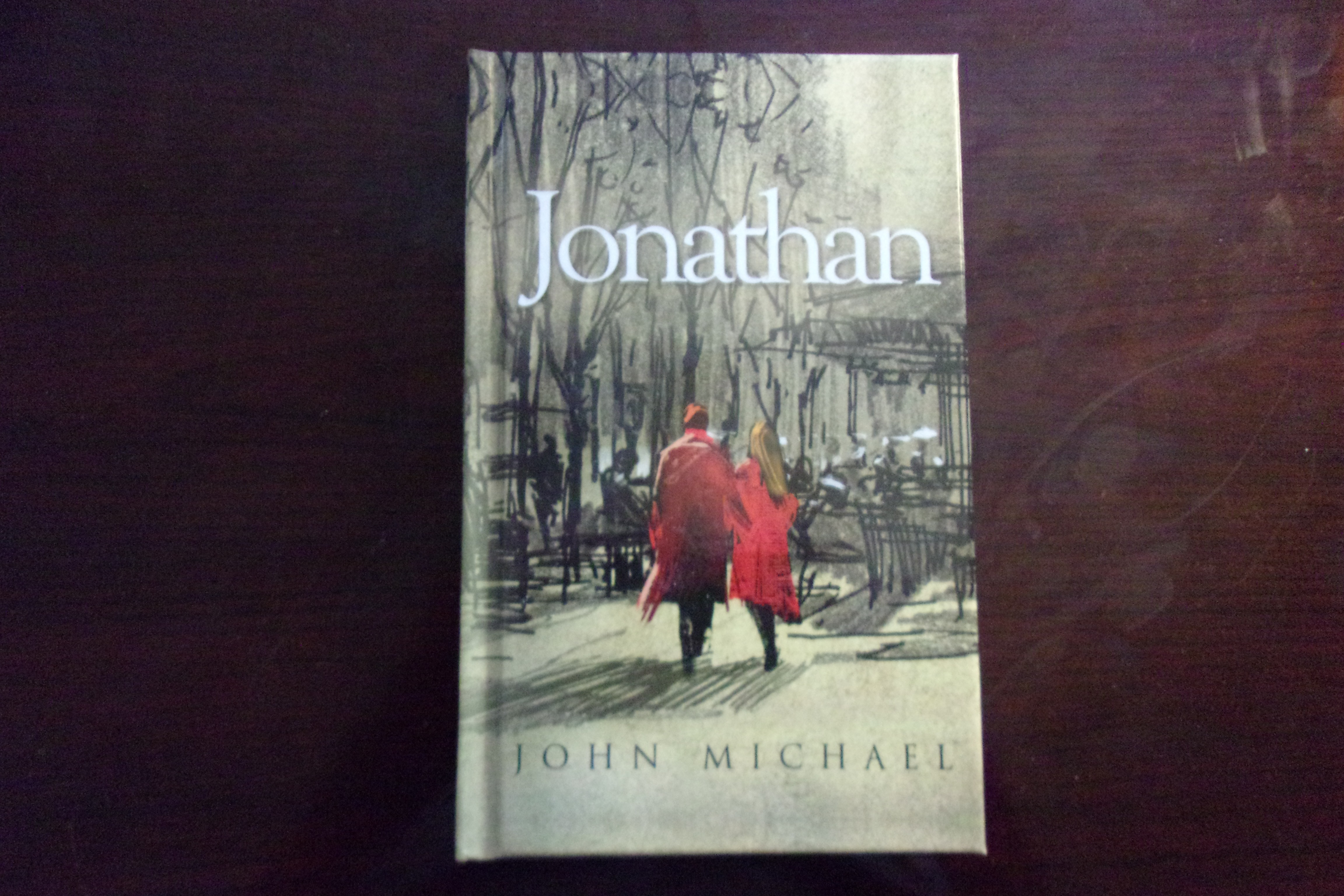
JONATHAN
Hardback: $24 | Softcover: $16
What more in life could you want? Jonathan is a young man getting near graduation from college but is already playing professional baseball. Unlike the typical athlete, he is very much into poetry and hopes to get a book published someday. Quite the romantic — this moral, family-oriented fellow is about ready to leap into life’s mainstream filled with happiness, death, and love.
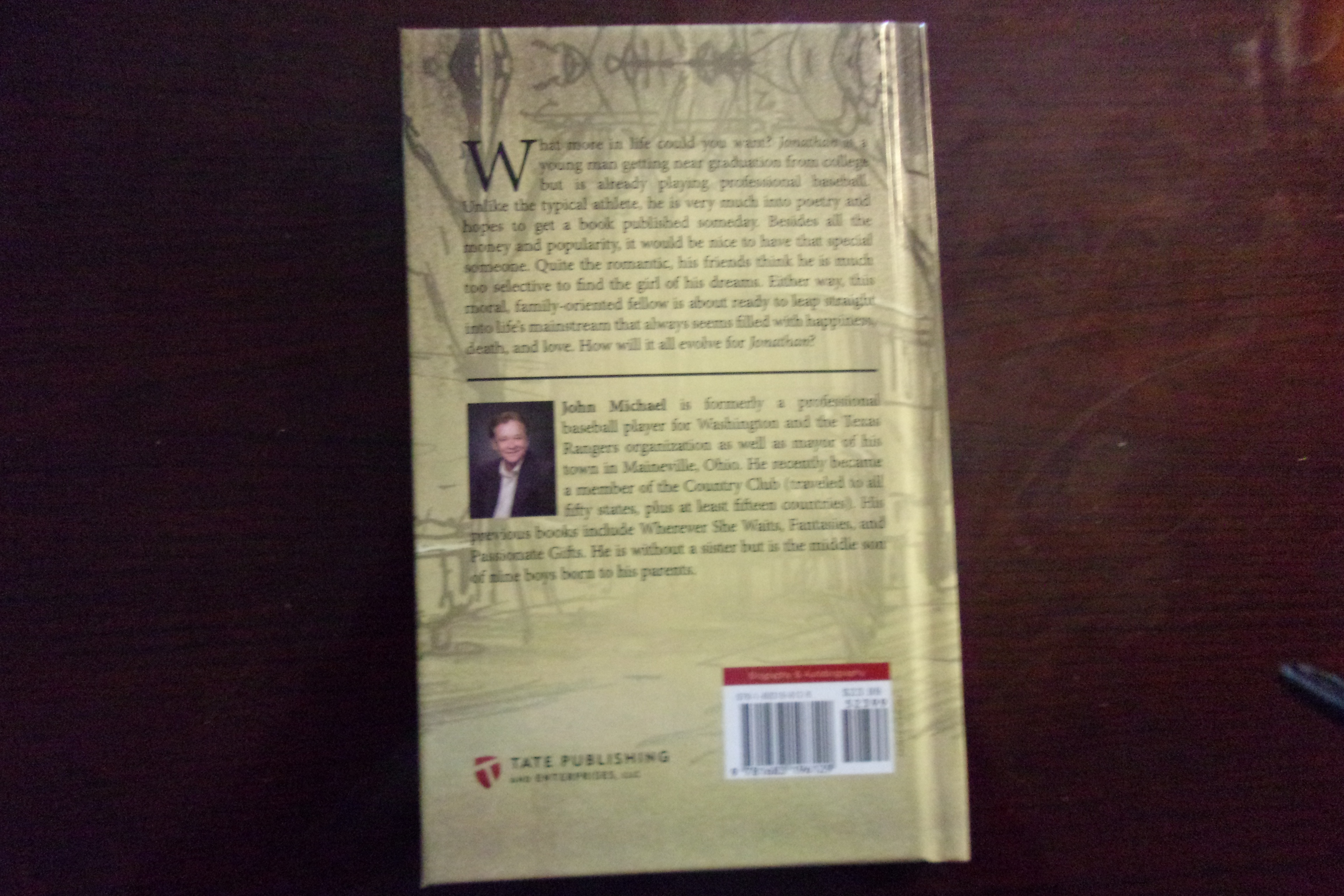
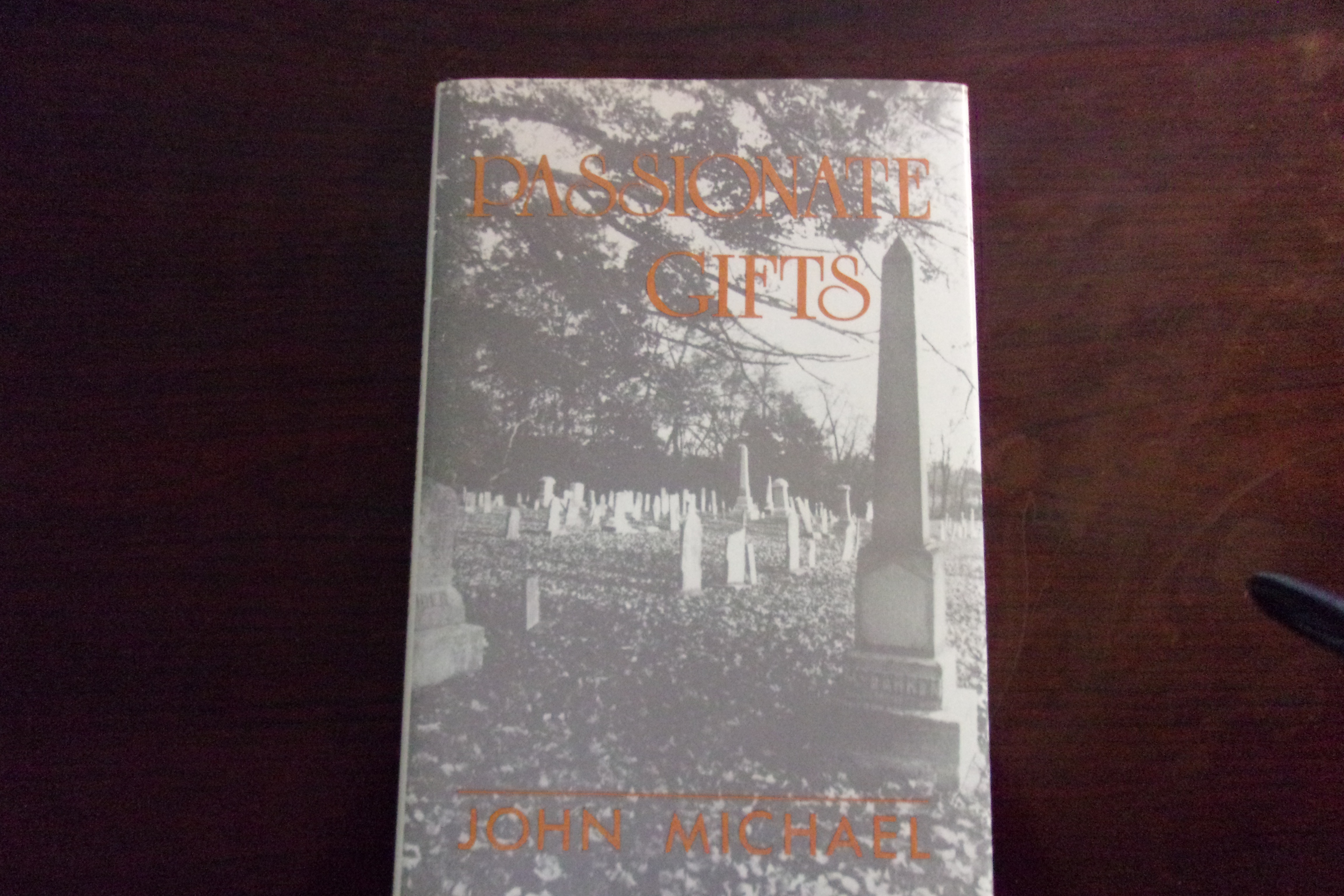
PASSIONATE GIFTS
Hardback: $20
Warm, wise, witty, whimsical. A very special collection of poetry and prose covering a breadth of styles and a gamut of emotions. From tender yearning to frolicsome sagas — there is a piece here to touch every heartstring, and nudge a few brain cells, too.
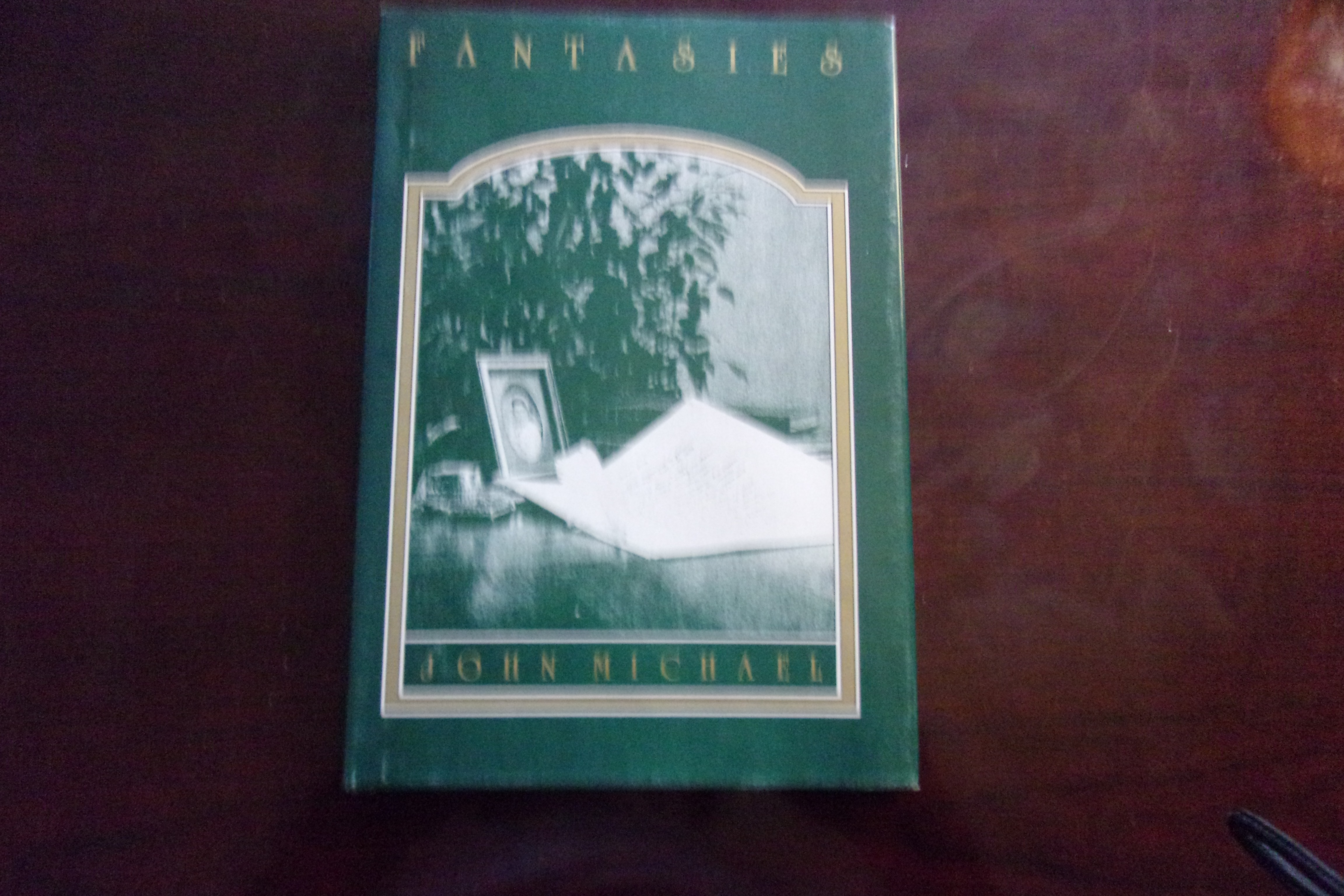
FANTASIES
Hardback: $18
A refreshing volume of poetry that reminds one of the smell of the air after the first spring rain. Earthy, vivid imagery — high school days and colonial settlers. John Michael is a gifted poet whose words are timeless and feelings universal: sorrow, love, and respect for nature.
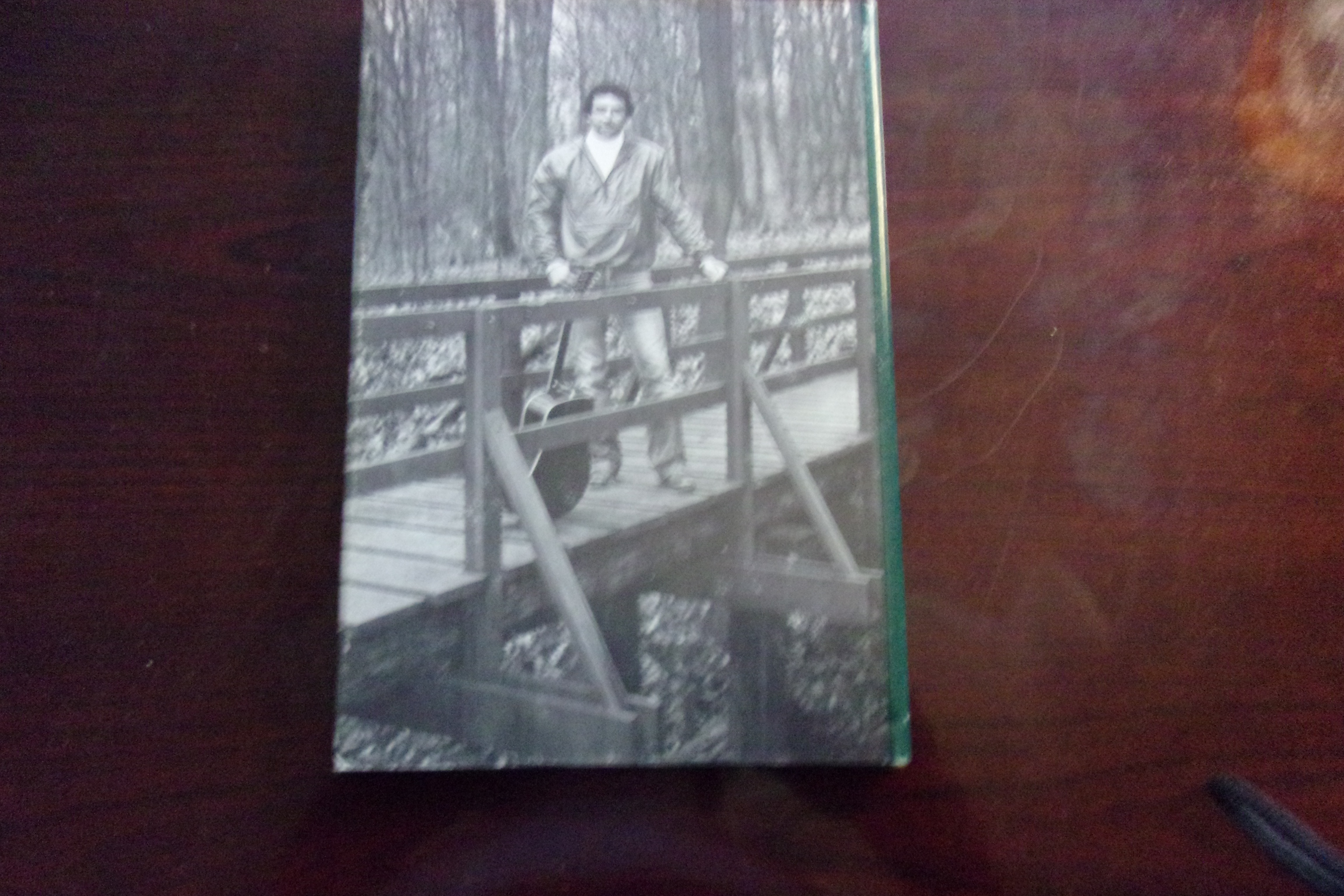
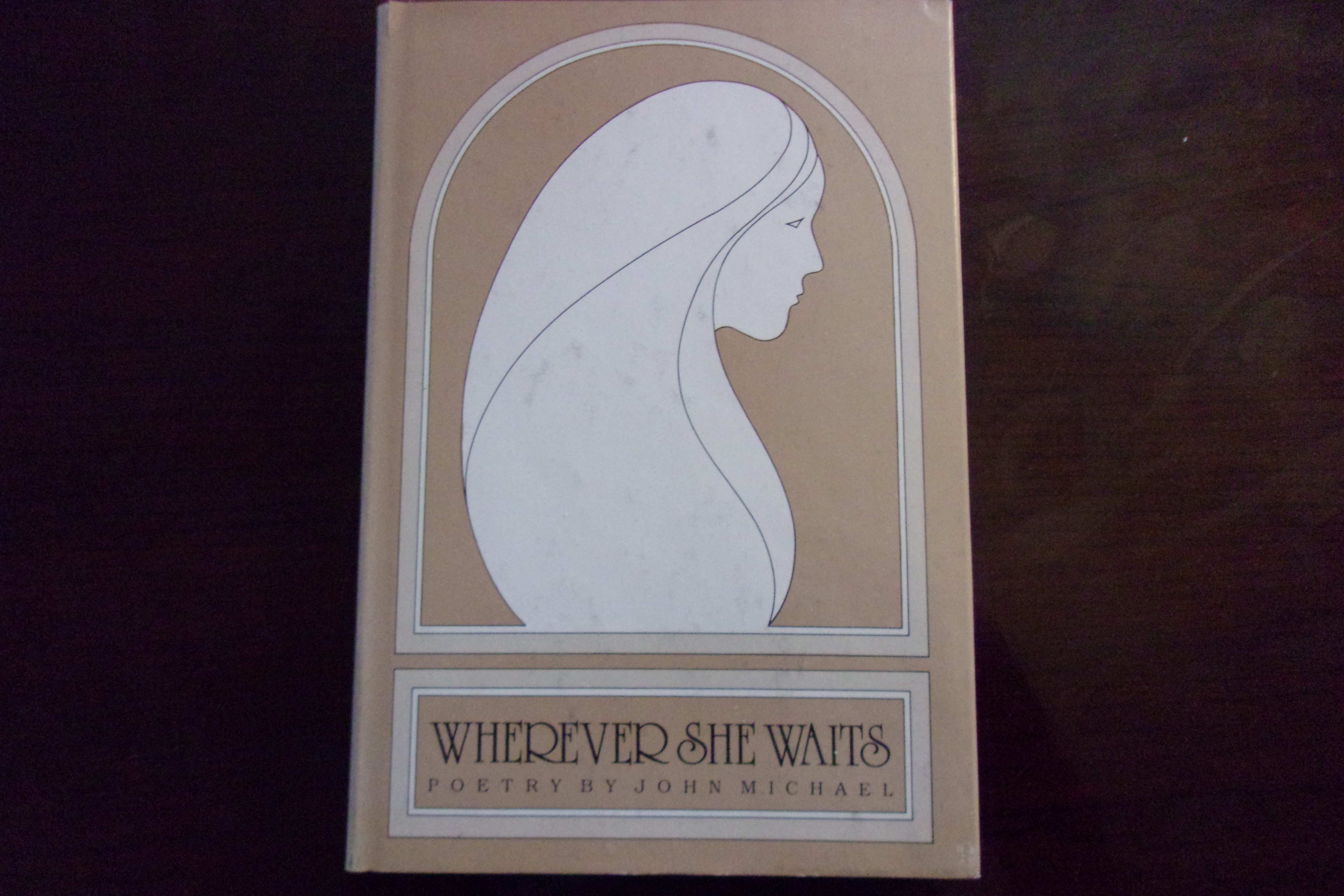
WHEREVER SHE WAITS
Hardback: $22
A delightful and moving collection of poems by a man who knows how to celebrate life, love, and nature. Humorous, ironic, tender — celebrating family, friends, lost loves, found loves, the Ohio and New Hampshire countryside. Includes: Friend of Comfort.
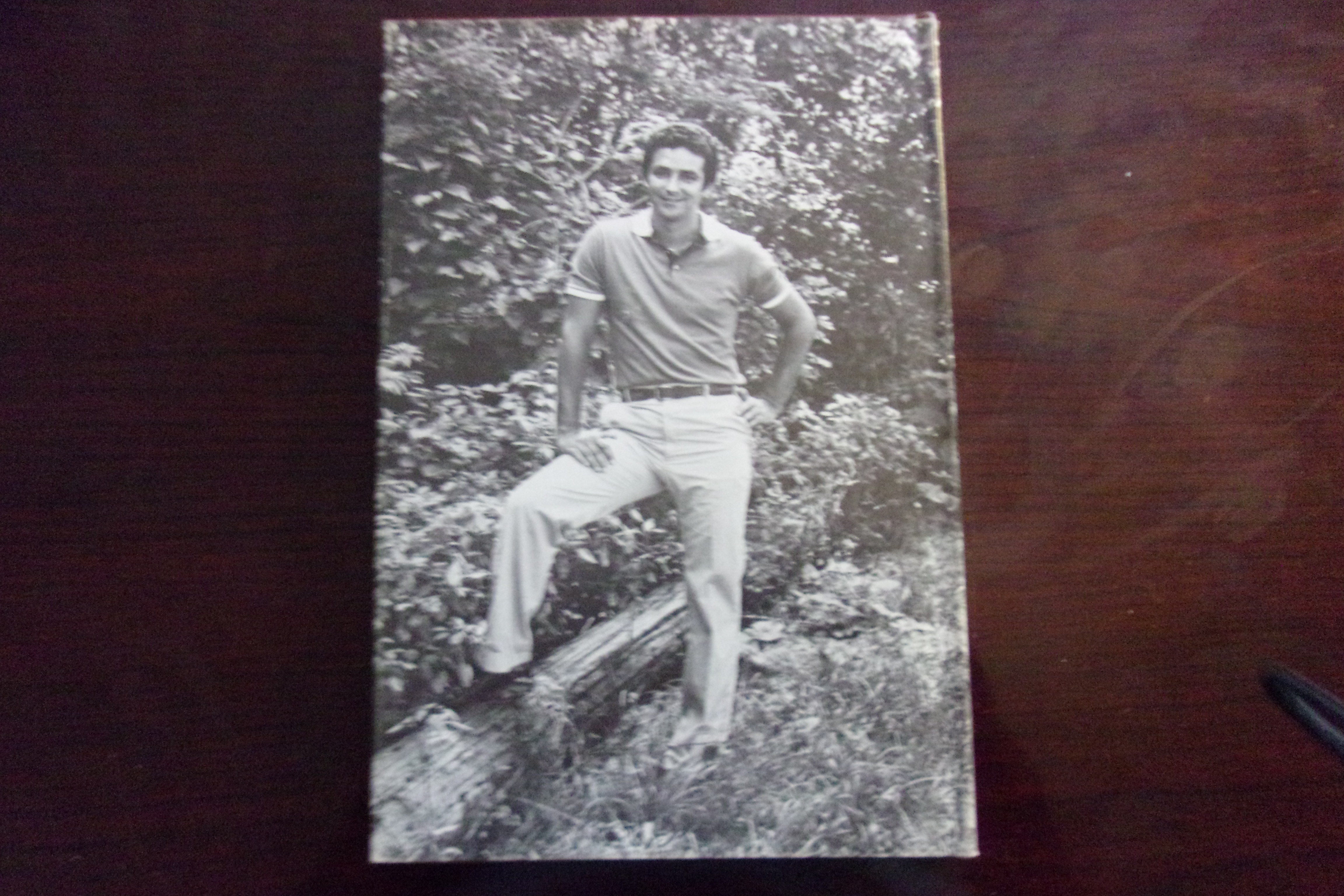
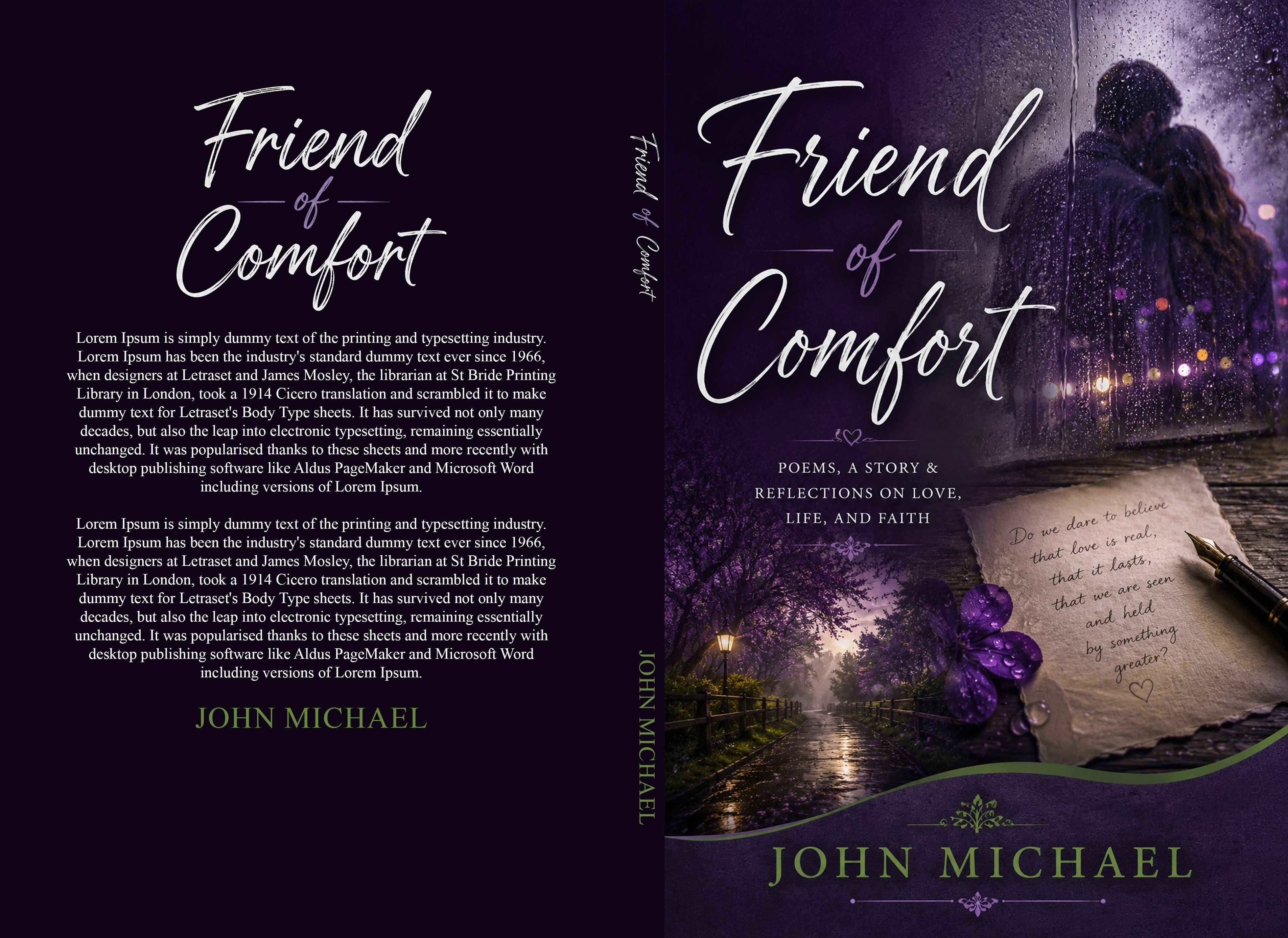
FRIEND OF COMFORT
Coming Soon
44 poems. A lifetime of feeling.
The best of John Michael — plus 22 new poems, arranged not by accident but by design. Each piece stands alone, yet together they trace the arc of a life: its lonely stretches, its fleeting warmth, the moments when someone appears just long enough to change everything.
*A collection for anyone who has ever reached for comfort in the dark.*

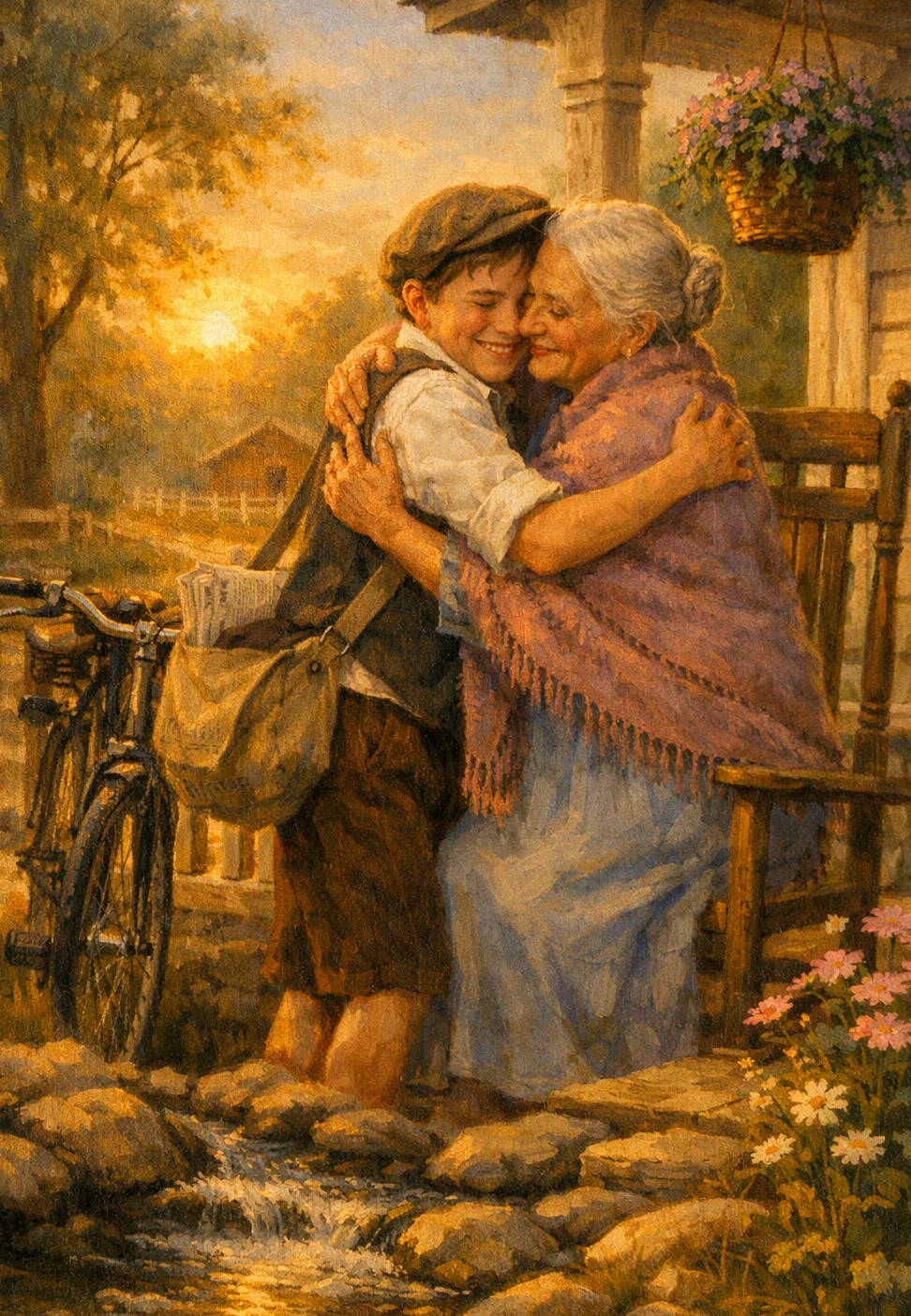
THE PAPER BOY AND MRS. MAYS
So precisely you finger yarn,
in the dimness of this morn,
’til the sleeve is two feet long,
and the buttons have been born…
Yet I should want to ponder,
when the paper boy arrives,
why you sit there, smiling,
with teardrops in your eyes.
And you touch him on the shoulder,
his good-day he speaks to you,
both stumbling to his bike so slow,
through the grass all filled with dew.
Peddling down your lane each day,
he passes by the stream,
and he talks to the trickling,
of the water, it almost seems.
And he whispers that you realize,
the reasons that people do,
and because you’re old, you understand,
just what others have gone through.
For you have been there twice,
where he has yet to be,
and your love for life explains it all,
and your love for him he sees.
Now, the paper boy must wander on,
from his stop at Mrs. Mays,
for the papers I must deliver,
will take me beyond the day.

SUNRISE
When I was very young, I
would get up quite early in the
morning, while my family was
still sleeping… and I sat in
the backyard and waited for the
sun to rise. And it was beautiful,
and it made me think of wonderful
things. And I felt good and warm,
knowing the sun was there. I
didn’t believe there could be
anything more exciting in the
whole world…
That was before I met you.
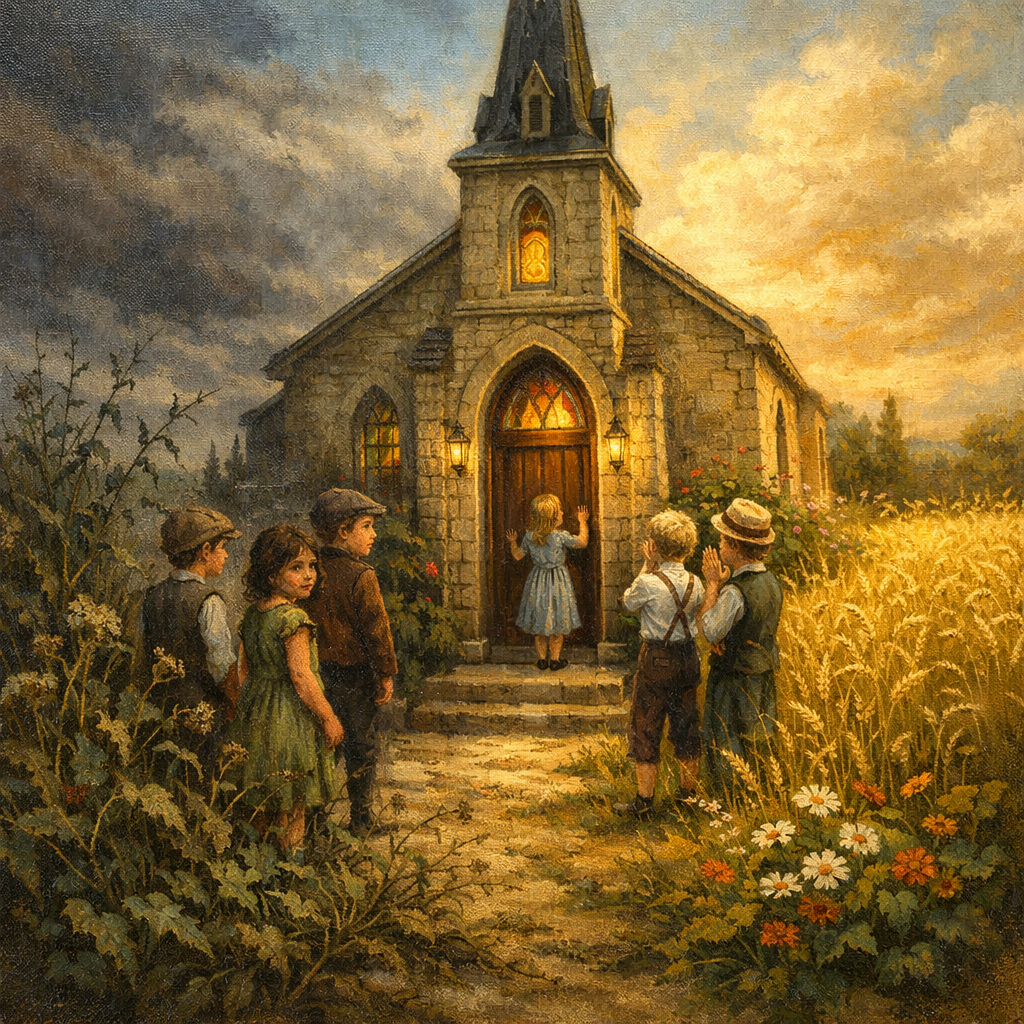
NO MORE
The door knocker clattered in repetition,
As I peeked outside to see;
Arriving were friends that used to be,
But no more for them,
And no more for me.
“The times have changed for worse;
You’re older now, so learn to curse
The day, the people, and all you see.”
If that’s your way,
That’s not for me.
I still see some with loving eyes,
Children in churches with steeples high,
And gardens growing things to eat,
But you see the weeds,
And I see the wheat.
Ready to Own a Piece of the Story?
• Order books individually or purchase all four books for $70
• Postage & Handling: $8 per order
(Also available on Amazon and eBay)
✏️ Get a Signed Copy — Order directly from us and receive a personalized autographed copy from John Michael. Contact us to arrange your order.
Poetry has a way of opening doors. These letters arrived in response to poems John Michael wrote — each one a conversation between his words and the world. The Washington Senators letter represents something rarer still: a dream, set to verse, that somehow found its way home.
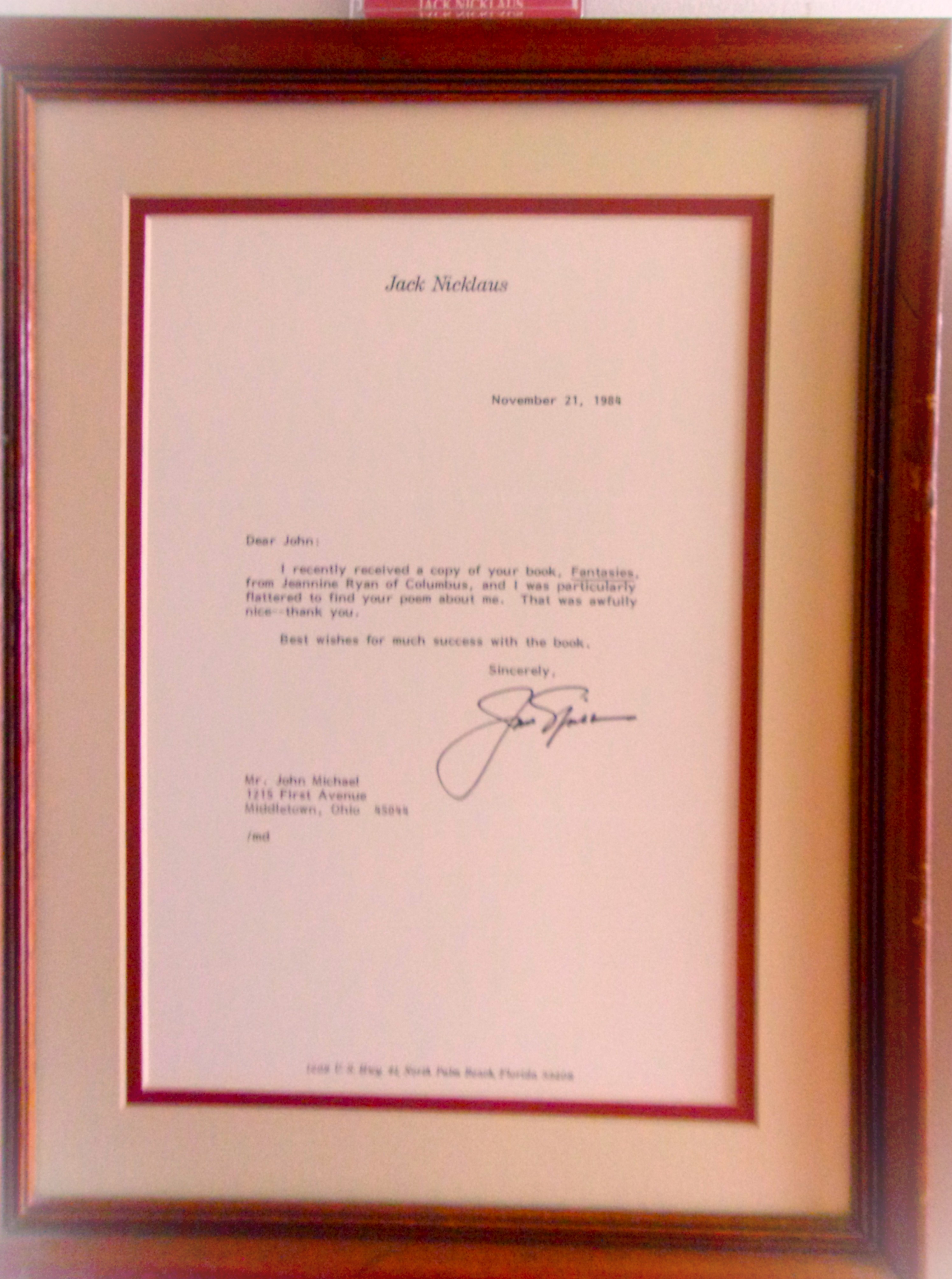
Jack Nicklaus
Greatest Golfer Of All Time
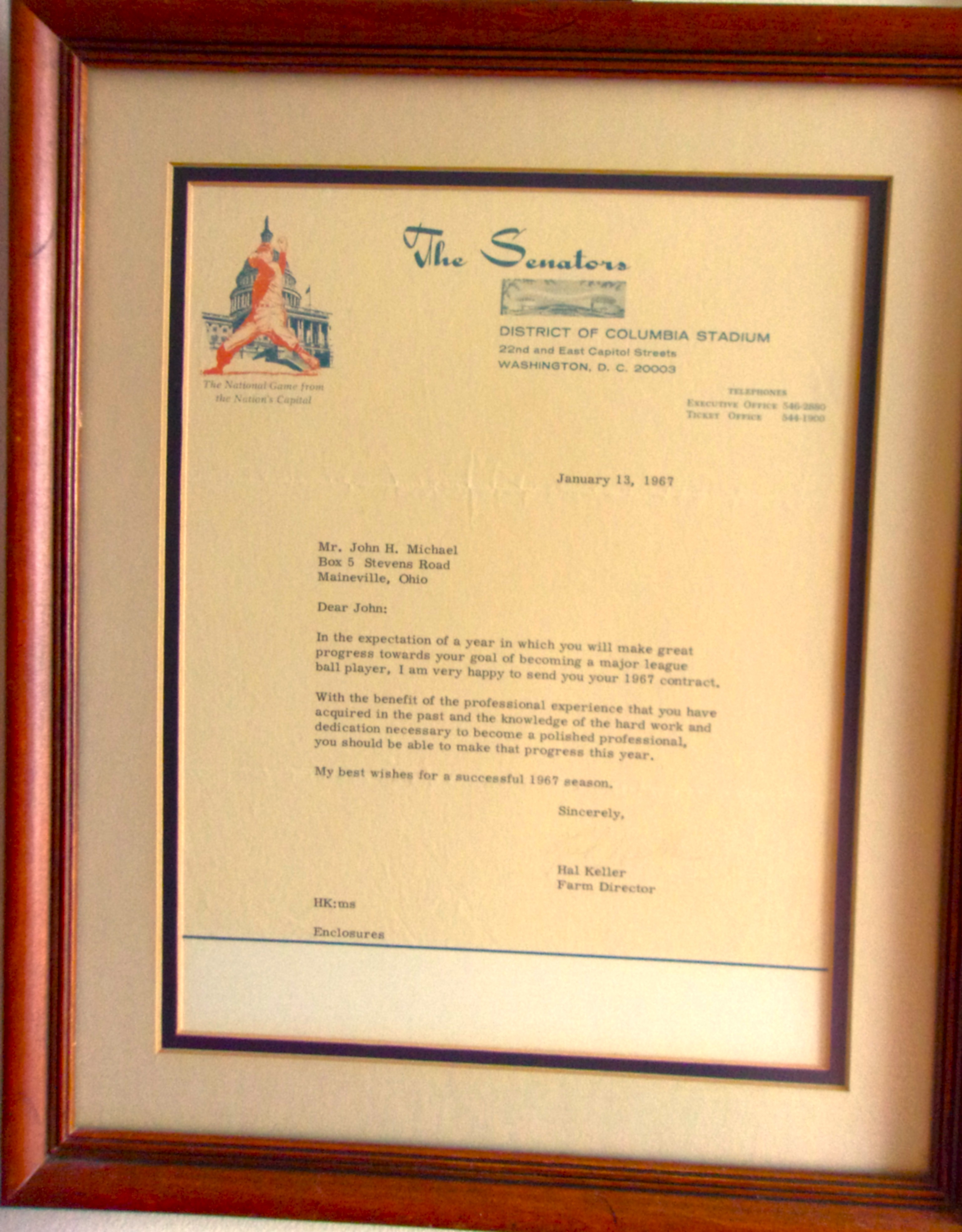
Washington Senators Letter
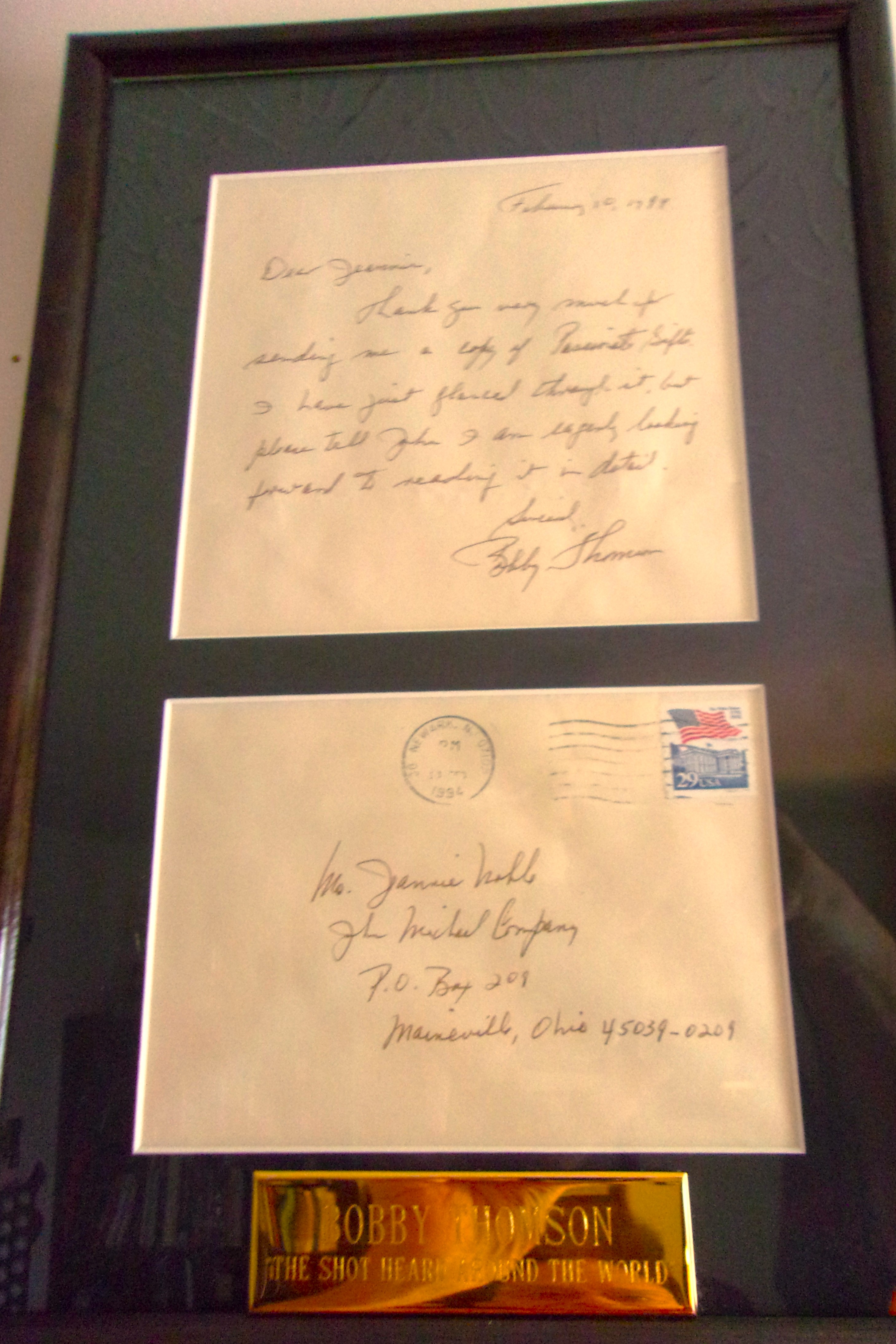
Bobby Thomson Letter
The Greatest Moment In Baseball History
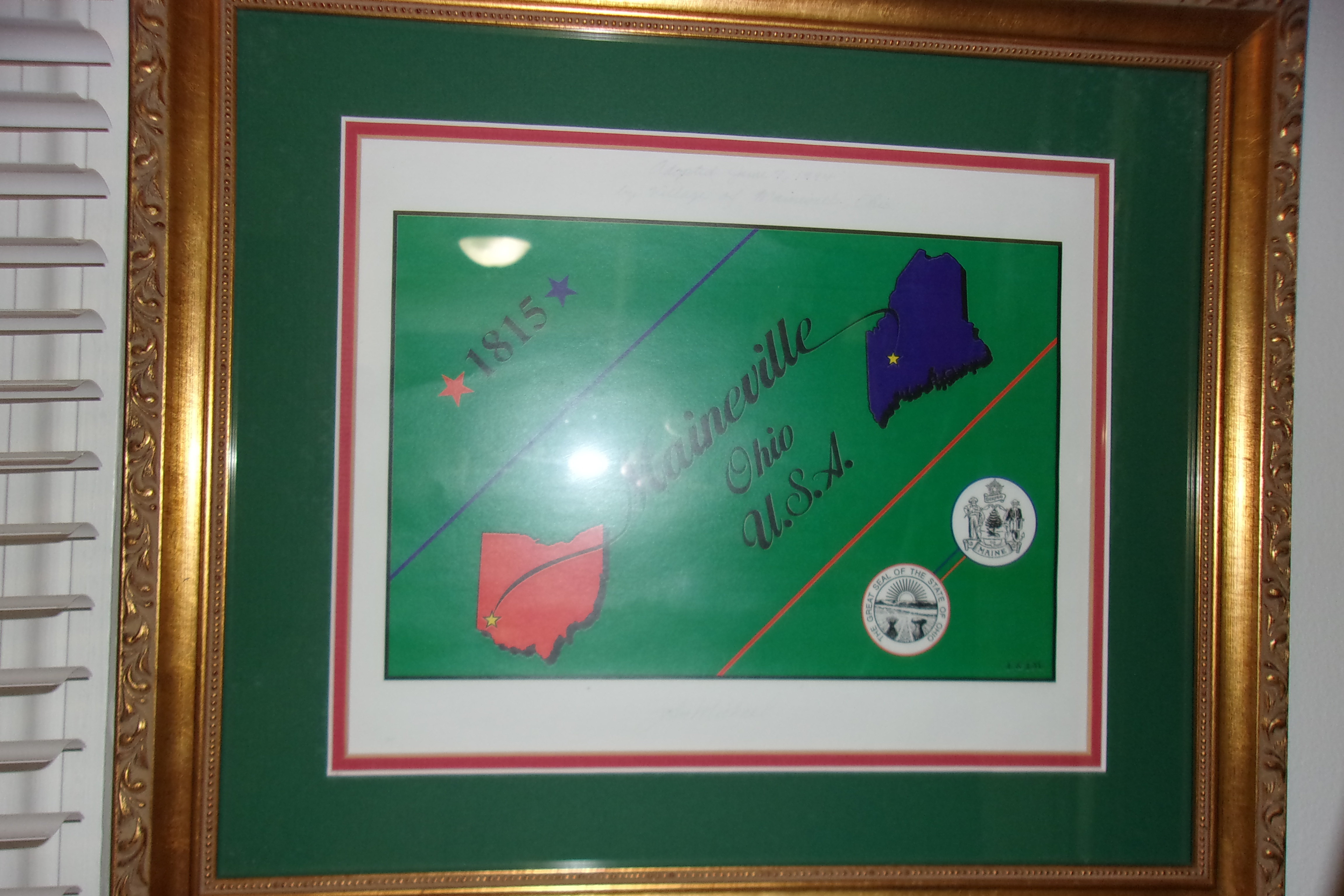
The Official Flag of Maineville, Ohio — designed by John Michael and adopted by the village.
WHAT TO EXPECT FROM A
JOHN MICHAEL VISIT
- Readings from his 5 books
- Guitar singing and songs
- Tales of his seven years as a professional ballplayer
- Fun stories from his 5 years as Mayor
- Travel memories from all 50 states and 17 countries
- Commercials recited for laughs during his days of acting
- Motivational help that encourages all students
- Help with facing anxiety/depression and bullying
THE MAN BEHIND THE WORDS
John Michael is an award-winning author and seasoned performer whose storytelling draws from a lifetime of vivid characters, unforgettable moments, and the richness of the human experience. His books have earned praise from critics and readers alike — and once you’ve seen him perform, you don’t forget it.

Live & In Person
Appearances
Book John Michael for schools, book signings, intimate readings, festival stages, or keynote storytelling tailored to your audience and venue. Approximate appearance fees are $800 per day; charges may vary based on event specifics and location. You will be quoted an exact price prior to the scheduling.
Readings
Intimate evenings where the page comes alive and the room stays late to talk craft.
Schools
Educational performance and school visits, bringing stories and storytelling to young audiences.
Signings
Bookstore signings and keynote storytelling for organizers who want a memorable night.
VOICES FROM THE ROOM
What Educators Are Saying
“John’s workshops for our Developmental Reading and Writing Lab personnel offered both insight and inspiration to our professors.”
Dr. Charles Means
Provost, Bowling Green State University
“John Michael affected the students in a very positive way… One student said, ‘Why isn’t all poetry like this?’ ”
Kathryn Ross
Language Arts Chairperson, William Mason
“John Michael brought our whole school community together through storytelling. His warmth and authenticity left a lasting impression on students and staff alike.”
Maxine Bridges
Language Arts Chairperson, Indiana
BOOK AN APPEARANCE
Bring John Michael To Your Audience
Schedule readings, workshops, or performances, or connect with John Michael to explore residencies, collaborations, and custom programs for your community.
Upcoming Performances
Join John Michael at these upcoming conferences and gatherings. Additional dates will be announced as they are confirmed.
Aug 14–16, 2026
Frost Farm Conference
Derry, New Hampshire
COMPLETED.
Sept 21–26, 2026
International Studies
London, UK — In person / Online
Hybrid participation details and ticketing to be announced.
Oct 22–27, 2026
Secret Society of Sisters Annual Gathering
Portland, Maine
SOLD OUT — Additional seating may be forthcoming. Please check back for updates.
STAY CONNECTED
Join the John Michael Circle
New poems. New performances. New stories. Delivered to your inbox when it matters.
PAST APPEARANCES
Where John Michael Has Performed
Over 200 cities, states, and countries (1,000+ performances) – from local stages to international venues.
09/18/25 — City ArtsCenter
Cincinnati, OH
09/23/25 — Riverfront Theater
Milwaukee, WI
09/28/25 — Summit Pavilion
Burgettstown, PA
09/20/25 — Harbor Playhouse
Toronto, ON
09/24/25 — Lakeside Amphitheater
Tinley Park, IL
09/30/25 — Capital Stage
Hartford, CT
09/21/25 — Queen Street
Toronto, ON
09/27/25 — Hershey Theatre
Hershey, PA
10/01/25 — Waterfront Arena
Bangor, ME
SCHEDULE
JOHN MICHAEL.
Poetry readings, creative writing workshops, and guitar-backed performances tailored for auditoriums, festivals, libraries, classrooms, and intimate listening rooms.


John Michael has spent a lifetime telling stories — his own. Now, through MICHAEL and OXFORD, he puts that same gift to work for you.
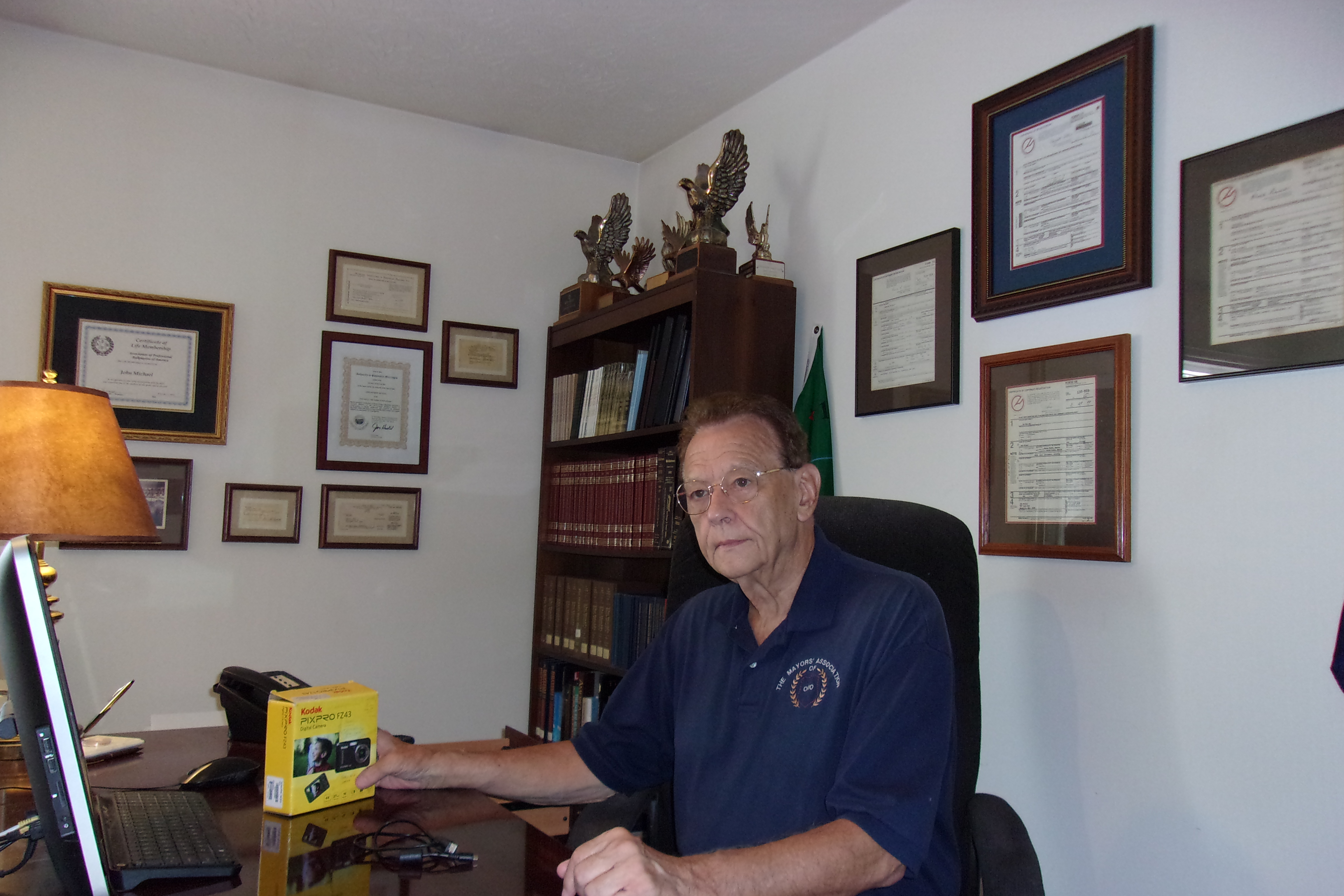
MICHAEL AND OXFORD
Writers Who Will Write Your Own Life Story — And Have It Published In A Book
Have you lived a life worth sharing? MICHAEL AND OXFORD are professional ghostwriters and publishers who sit down with you, listen to your story, and transform your memories, experiences, and wisdom into a beautifully published book — with your name on the cover. Your story deserves to be told. Let us tell it.
Every life is a masterpiece waiting to be written.

The Beginning
- You meet with the author. (Any family members are invited, if you wish.)
- Consider the type. (Life story, Specific event, or Other.)
- Who will be the author? (You, Ghostwriter, Author, or a combination.)
- The length of the book. (Approximate number of pages.)
- Book design. (Hardback or Paperback.)
- How much time? (When do you hope the book will be completed?)
- Verbal quote. (If agreed upon, a contract will be supplied at the next meeting.)
You will have at least twenty meetings and innumerable phone calls with your author/ghostwriter before your book is published.
Comments From Our Clients
“Our book is beautiful. I am so proud of our story. My friends and family have all read it. I enjoyed every minute with our author. He has become like a brother to us. Thanks so much.”
Ann N., Lebanon, Ohio
“My mother donated a lot of money to our church when she passed away. Two years later, I visited the church. There was no sign of her donation. I wish we would have spent some of that money for her ‘Life Story.’ We did not make the same mistake with our father. He was in tears when he saw his book.”
Misty B., Cincinnati, Ohio
“Our story was well researched and perfectly written. Every one of our requests was honored. We thank you, Michael. Oxford. Washington.”
Sandy B., Anderson, South Carolina
Last year our average fee for writing a person’s life story in a published book format averaged $11,000. Your fee may vary, but we will provide an exact amount for your situation.
Blogs
FROM THE DESK OF JOHN MICHAEL
“It doesn’t dial. It declares.”
A poet’s meditation on patience, permanence, and the quiet courage it takes to reach out.
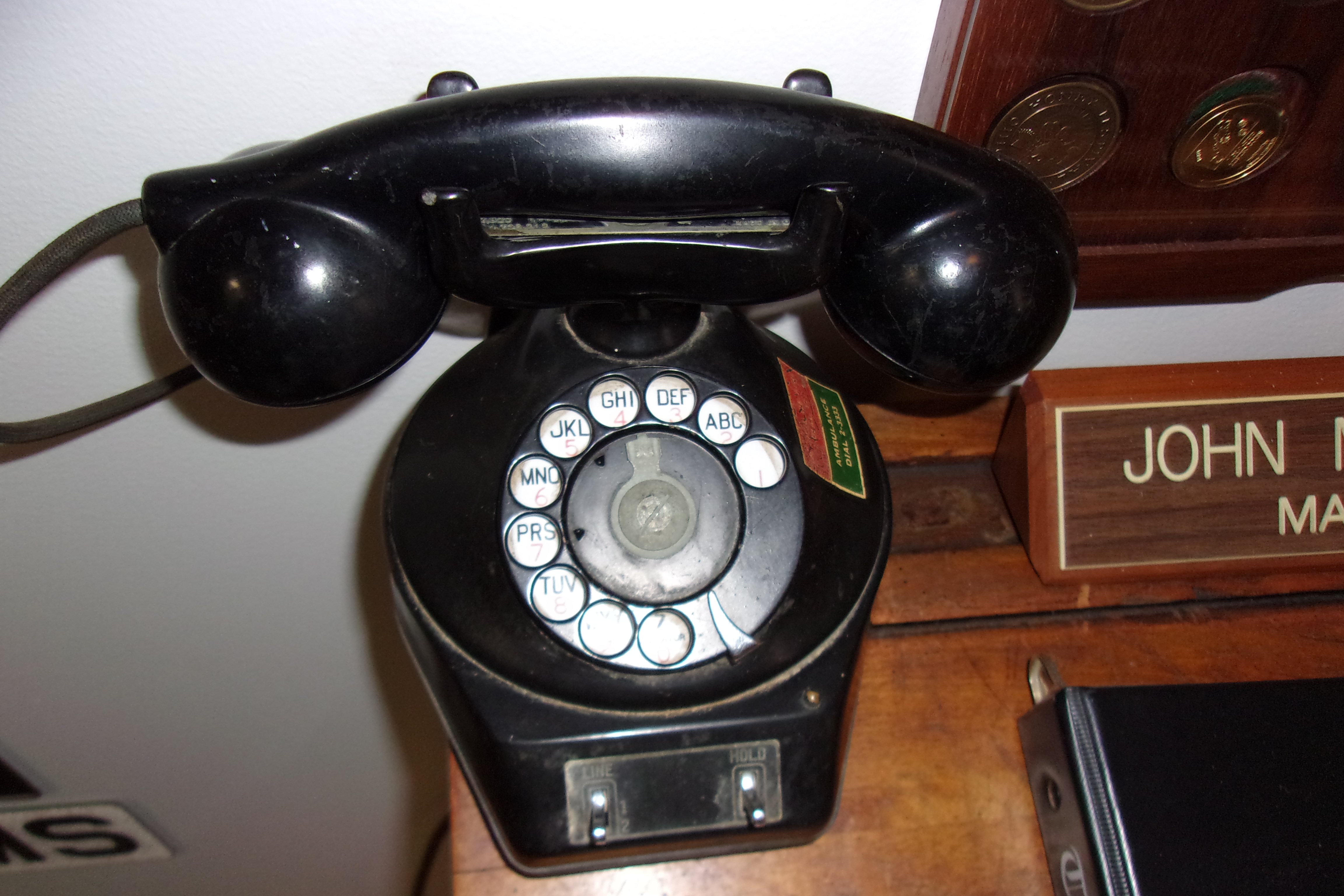
The Rotary Phone on My Desk: A Poet’s Relationship With Time
On the corner of my downstairs desk, sits a rotary phone the color of old dark clouds. Its coiled cord rests like a sleeping wire, its receiver curved in a permanent half-listen. The hard plastic is scuffed in places where other hands, other years, have worn their stories into it.
In the quiet between keystrokes, I catch myself looking at it the way you look at an elder in the room — with a soft respect, a little curiosity, the sense that if you sit long enough, it might tell you what you’ve been meaning to hear. It doesn’t ring anymore. It’s a relic not an instrument now. But it still feels charged with something like possibility. It still dials and whirls back. Nice sound.
A rotary phone demands patience. You don’t tap at it; you commit to it. Your finger slips into a numbered groove, you pull the dial around in a slow arc, listening to the whirring return, that small mechanical sigh as it spins home. One number. Then another. Then another. You can’t rush a circle. Try, and it will snap your impatience right back at you.
There’s a kind of courage in dialing that way. Each number is a tiny decision you have to stand inside of. No backspace. No delete. If you misdial, you don’t get an error message; you get a stranger, or a dead line, or a sudden, humbling silence. You have to hang up, start over, retrace the circle with a little more care.
That’s what this phone has come to mean for me as an author and a poet: the slow, deliberate act of connection. I can’t text a poem into existence. I can’t swipe my way to a sentence that feels true. I have to dial it — letter by letter, line by line — trusting that if I move slowly enough, the right voice will answer on the other end.
Writing, for me, has always felt more like calling than like composing. I listen longer than I speak. I circle the idea a few times before I dare to touch it. The poem isn’t a message I manufacture; it’s a conversation I’m trying to reach. The rotary dial reminds me that every word is a number, every line a patient revolution of the wrist toward something waiting in the dark. I still write every poem and every piece of prose long handed. I can feel my words that way.
I remember the first phone that ever felt like an altar. It was in between our dining room and hallway, placed inside a purposeful arch, so it could be answered or dialed from two sides. The cord was long enough to stretch around the corner into the hallway, where secrets were better kept. I watched that oft used phone get dialed so many times; in haste, in calmness and impatiently when the caller was not paying enough attention. The proper way to dial was with a kind of reverence, finger steady, unhurried, as if we could project the importance of meeting her halfway. Of course, there were ‘party lines’ back then. You shared the phone with five or ten neighbors. Sometimes you had to wait to call someone. When it required, you had to ask your neighbor to please hang up so you could make an urgent call.
One summer, I borrowed that hallway for myself. I was a teenager then, newly in love with a girl who lived just far enough away that every call felt like crossing a border. I’d pull the cord tight, sit on the floor with my back against the cool wall, and spin out her number, one slow circle at a time. I still remember the sound of her hello blooming through that receiver — tinny, imperfect, miraculous. The first night we talked three hours! I asked her to go steady with me. Without a kiss, yet! Go figure. Innocent times. Innocent minds. They are still in me that way.
Years later, that memory became a poem. Not because it was a love story that lasted, but because it was my first experience of intentional waiting. The ring between each dial tone. The ache of hearing the line ring and ring, wondering if she’d answer, or if the universe had other ideas. The poem wasn’t about romance, really. It was about listening into absence and finding it full of its own language.
Now, I live in a world where conversations live inside glowing rectangles, where I can send a dozen messages before I’ve even finished my morning coffee. As a performer, I can go live, post, stream, broadcast myself in real time to people I’ve never met. There is a thrill in that, a strange electricity in feeling so reachable. But it also asks me a dangerous question: why wait, when you could say something now?
The old phone on my desk is my quiet rebellion. It insists that some things are worth not saying right away. That the pause before the line picks up is part of the conversation. That a poem needs stillness the way a call needs a dial tone. I write slowly, on purpose. I let the first thought pass, then the second, and wait to see what’s left when the noise has settled.
Onstage, when I’m reading or performing, I try to bring that same rotary patience. The poem has already taken its long road to get there — drafts crumpled, lines redialed, endings hung up and started over. So when I stand in front of a room, I want to honor the time it took. I breathe between lines. I let silence have its say. I imagine each listener as a single number I’m dialing, carefully, hoping to reach something tender and alive in them.
Being an author in this digital century feels, some days, like being a rotary phone in a world of touchscreens. Clunky. Outdated. A little absurd. But there’s also a strange freedom in that. I don’t have to keep up with every scroll and ping. I can choose slowness as a form of devotion — to language, to attention, to the fragile, beautiful act of one human trying to make sense to another.
If you and I ever meet at a reading, or you pick up one of my books, I hope it feels less like content and more like a call. Not a notification, but a number you dial when you’re ready to sit with something a little longer. When you’re willing to listen to the clicks and whirs inside yourself, the old machinery of feeling that doesn’t move at the speed of Wi‑Fi.
So, here’s your invitation, from my desk with its patient rotary: come connect. Come to a performance and let the words ring in the air between us. Find a book and give it the luxury of an unhurried afternoon. Or simply put your phone face down, breathe, and notice one true sentence forming inside you, number by number, circle by circle.
When you’re ready, I’ll be here — an author, a poet, a performer dialing your silence with mine — trusting that on the other end of this long, slow line, someone like you is waiting to say hello.
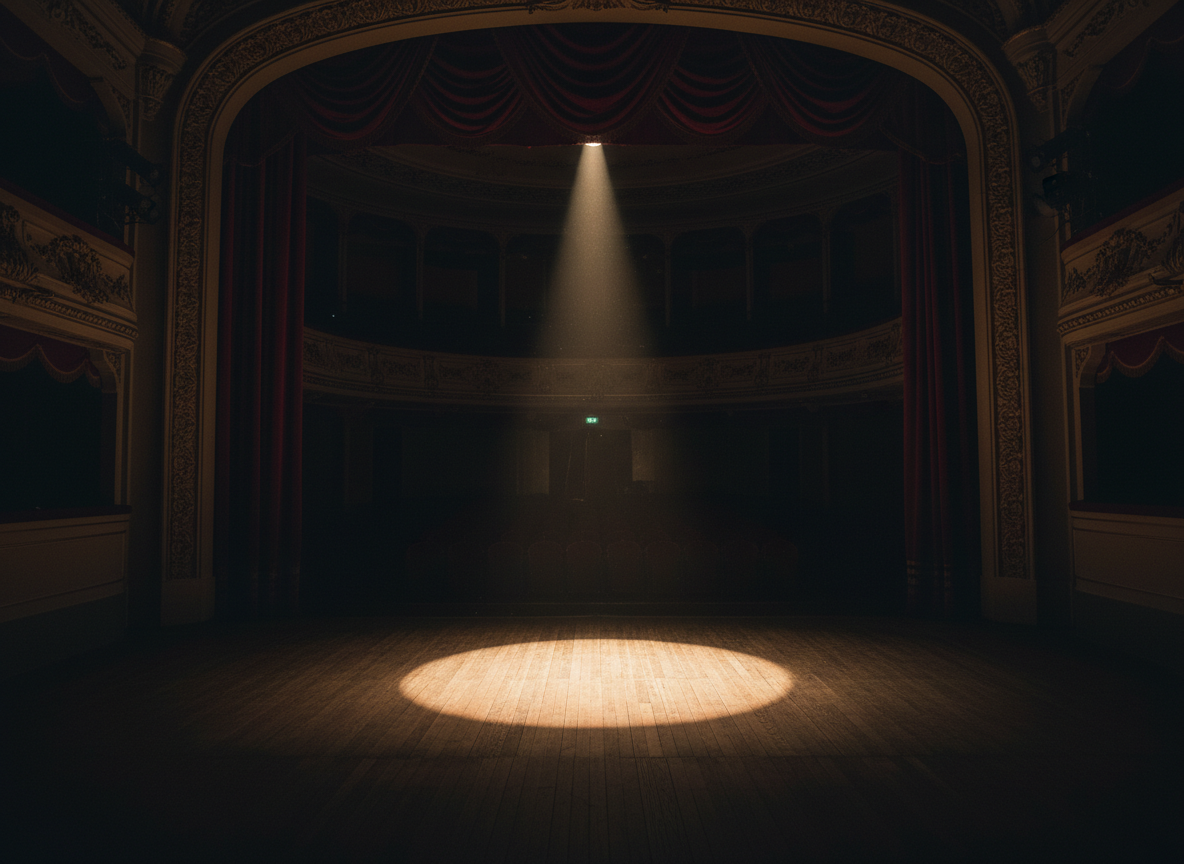
The Dark Stage: Why I Write
Before the lights ever find my face, there is a moment that feels like free fall. The room is a hush and a heartbeat. I’m standing in the dark, listening to the low murmur of people settling into their seats, feeling the weight of words waiting in my chest. That in-between space—between silence and sound, between doubt and confession—is where I first understood why I write.
I wrote my first real piece late one night at a kitchen table littered with coffee rings and half-finished songs. It wasn’t meant for anyone. It was a tangle of images, memories, and a grief I didn’t yet know how to name. When I finished, the world hadn’t changed, but something in me had. The page had become a mirror that didn’t flinch. It showed me who I was, not who I was trying to be.
As an author, writing is the way I make sense of the chaos. It’s how I slow down the blur of days and hold a single moment up to the light, turning it over until it reveals a hidden edge or a softer truth. On the page, I can build a world out of a single breath, a sidelong glance, the way someone leaves a room without closing the door. I can ask questions that many folks would be afraid to say out loud and follow them wherever they lead.
As a performer, those same words become a kind of bridge. When I step onto a stage, I’m not just reciting lines—I’m walking out into that dark space between me and you, carrying a small, fragile lantern. The script, the poem, the story I’ve written is the light I’m holding up. It’s not about being impressive; it’s about being honest enough that you might recognize something of yourself in it.
The dark stage, to me, is holy ground. It’s the vulnerable place where the written word is stripped of its safe distance and asked to breathe out loud. There, every sentence is a risk: Will this land? Will it hurt? Will it heal? Sometimes my voice shakes. Sometimes the story feels too raw. But in that trembling, there is life. The darkness is not an absence—it is a promise that, if we’re brave enough to stay, the light will find us.
This blog is an extension of that stage. It’s where I’ll bring you the pieces before and after the performance—the drafts, the doubts, the small revelations that never quite make it into the spotlight. I’ll share stories, reflections, maybe a few scars and some hard-earned laughter. My hope is that, as you read, you’ll feel less alone in whatever dark room you happen to be standing in.
If you choose to walk with me here, let’s get started. Bring your questions, your weariness, your wonder. I’ll keep the lights low and the door open. Together, we’ll step onto this dark stage and see what the words want to become.

How I Write a Poem
People ask me how I write a poem. I never quite know how to answer that. It’s a little like asking how you fall asleep — the moment you try to watch yourself do it, it stops happening. But I’ll try, because the question deserves more than a shrug.
A poem, for me, does not begin at a desk. It begins somewhere quieter — in a moment I wasn’t ready for. A color in the sky at the wrong time of day. A line someone says that they’ve already forgotten by the time I’ve written it down. A smell that carries a whole year behind it. The poem starts as a small disturbance, a pebble dropped into still water, and I follow the rings outward until they stop.
I write every poem by hand first. Always. There is something about the drag of pen across paper that slows me down to the right speed. A poem cannot be typed into existence — or at least, mine cannot. The hand knows things the mind hasn’t finished thinking yet, and longhand lets those things surface without interruption. I’ll fill a page and cross out half of it. Then cross out half of what’s left. The poem is always somewhere underneath, waiting to be uncovered rather than constructed.
The first draft is almost never a poem. It’s more like a confession — loose, sprawling, embarrassingly honest. I write past the point where it feels comfortable, because the real subject is usually hiding three paragraphs behind the stated one. If I stop at the obvious, I’ve written a greeting card. If I keep going, sometimes I arrive somewhere that surprises me. That surprise is the only sign I trust that I’m on the right track.
Then comes the long work of listening. I read the draft aloud, slowly, as if I am hearing someone else read it in a quiet room. Every line that I stumble over is a line that isn’t ready yet. Every word that costs me breath I didn’t expect — that one stays. I’m listening for rhythm the way a carpenter listens for a hollow spot in a wall. The poem tells you, if you’re patient enough, where it wants to breathe and where it wants to hold.
I revise more than I write. For every poem I have published, there are a dozen drafts that lived on white pads and went… nowhere. I don’t mourn them. They were the practice, the warm-up, the soil. A failed poem is not wasted work — it is an honest attempt, and honest attempts always leave something useful behind, even if you can’t name it yet.
When the poem is finished — and I mean truly finished, not just tired of being worked on — it has a particular stillness about it. Nothing in it is accidental, but nothing in it feels forced, either. Every word earns its place. The last line does not explain what came before; it opens a door and steps back. That’s how I know I’m done: when the poem is larger than I am.
And then, if the poem is lucky, it finds its way onto a stage. That is a different experience entirely — taking what lived in private and offering it to a room full of people who did not ask for it and may not have known they needed it. The best moments of my career as a performer have been the silences after a poem ends, when the room holds it for just a second before the applause. In that second, the poem is no longer mine. It belongs to whoever is sitting in the dark.
So that is how I write a poem. Imperfectly, slowly, by hand, by ear, and always in the hope that what I find there is true enough to share. If you’ve ever wanted to write one yourself — start with whatever small thing is bothering you, or making you feel drunk in life’s wonder today.
☎ (513) 583-0919
email michael9067@roadrunner.com
domain johnmichaelauthor.org

